

Key Takeaways
- Modern engines don't need a prolonged warm-up period before driving in cold weather.
- Most cars running on regular-grade fuel see no benefit from switching to premium gasoline.
- Oil change intervals of every 3,000 miles are outdated for nearly all vehicles made in the last two decades.
- Topping off your gas tank after the pump clicks off can damage your car's vapor recovery system.
- Tire pressure should be set to your vehicle's spec, not the number printed on the tire sidewall.
Why Car Maintenance Myths Are Expensive
Automotive folklore travels fast - from dealership waiting rooms to family advice passed down over generations. Some of it was once accurate; much of it never was. The problem is that acting on outdated or flat-out wrong car care beliefs costs American drivers real money every year, whether through unnecessary service visits, wasted fuel, or premature wear on components that were fine to begin with.
This article examines the most persistent car maintenance myths, explains what the evidence actually shows, and helps you make smarter decisions about your vehicle and your wallet. For a broader look at ownership costs, see our guide on managing long-term vehicle expenses.
Myth
You need to warm up your engine for several minutes before driving in cold weather.
Fact
Modern fuel-injected engines reach operating temperature faster by being driven gently, not by idling in the driveway.
This advice made sense for carbureted engines common before the 1980s, which needed time to stabilize fuel mixtures in cold air. Today's electronically fuel-injected engines adjust automatically. Prolonged idling in winter actually increases engine wear because oil circulates more effectively under light load than at idle, and unburned fuel can wash protective oil from cylinder walls. The U.S. Department of Energy has noted that most modern vehicles need no more than 30 seconds of warm-up before gentle driving. For cold-weather preparation beyond the engine, see our seasonal car maintenance guide.
Myth
Premium gasoline gives your engine better performance and protection, even if it doesn't require it.
Fact
Using premium fuel in an engine rated for regular provides no measurable benefit and wastes money.
Premium gasoline has a higher octane rating, which resists engine knock (pre-ignition) in high-compression engines. If your owner's manual says regular fuel is sufficient - typically 87 octane - your engine's knock sensors are already calibrated for that grade. Spending 20-50 cents more per gallon for premium in a regular-rated engine delivers no additional power, no improved efficiency, and no added protection. The only time premium matters is when the manufacturer specifies or requires it, which is clearly stated in the manual and often on the fuel door.
Myth
You should change your oil every 3,000 miles, no exceptions.
Fact
Most vehicles built in the last 20 years can safely go 5,000 to 10,000 miles - or more - between oil changes, depending on oil type and driving conditions.
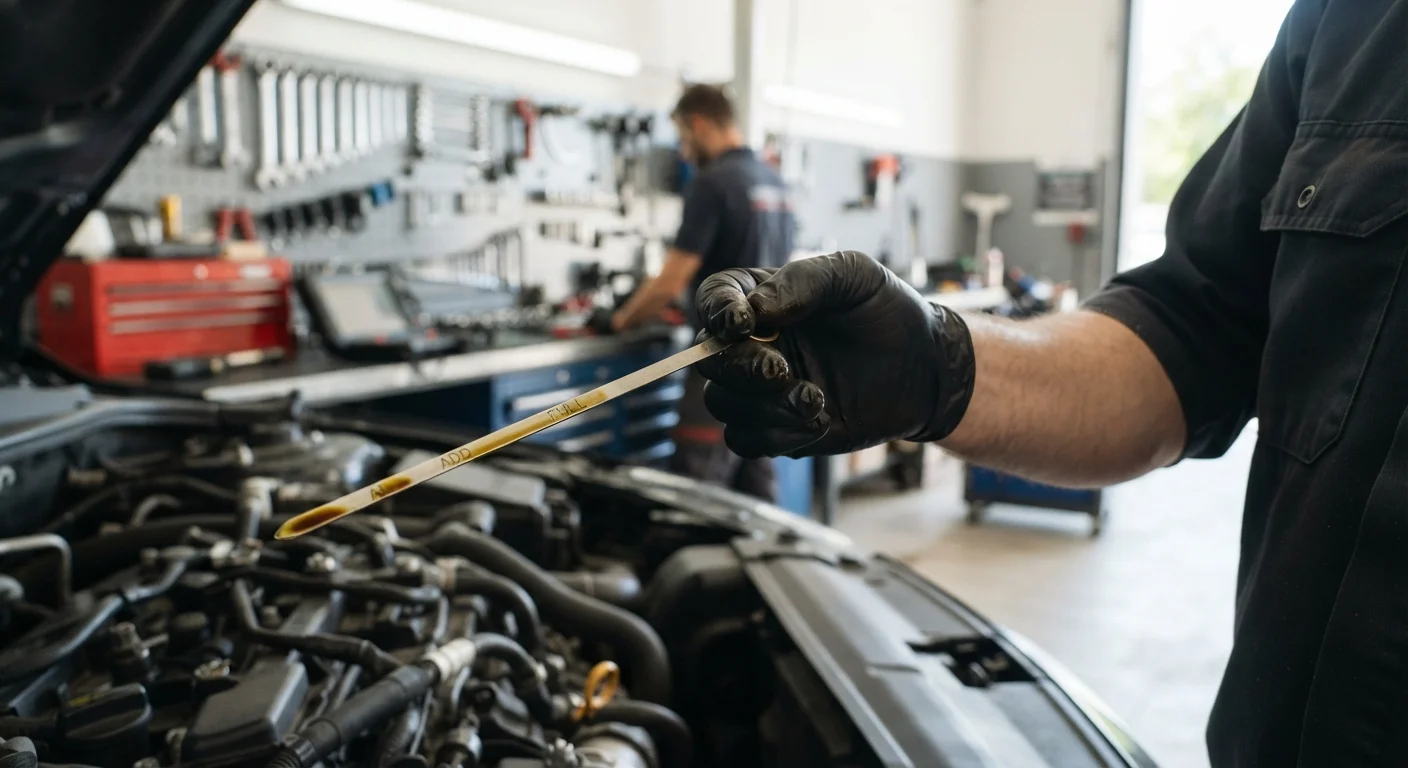
The 3,000-mile interval was established for older engines using conventional oil. Advances in synthetic and synthetic-blend lubricants, along with tighter engine tolerances, have pushed recommended intervals significantly higher. Many manufacturers now specify 7,500 or 10,000 miles for conventional oil and up to 15,000 miles for full synthetic. Changing oil more frequently than necessary doesn't harm the engine, but it does waste money and generate unnecessary used-oil disposal. Always defer to your owner's manual interval - or your vehicle's built-in oil life monitoring system if equipped.
Myth
Topping off your gas tank after the pump clicks off is harmless and gets you a little extra mileage.
Fact
Overfilling the tank can damage the evaporative emissions system and may trigger a check-engine light.
Modern vehicles have a vapor recovery system - called the EVAP system - that captures fuel vapors and routes them into the engine rather than releasing them into the atmosphere. A critical component, the charcoal canister, is designed to handle vapors only. When you continue pumping after the automatic shutoff, liquid fuel can be forced into the canister, saturating it and reducing its effectiveness. Repeated overfilling can lead to a failed EVAP canister, a check-engine light, and a repair that typically runs several hundred dollars. Stop at the first click.
Myth
The number on the tire sidewall tells you the correct inflation pressure for your car.
Fact
The number on the tire sidewall is the maximum pressure the tire can handle - not the recommended pressure for your vehicle.
Inflating tires to the sidewall maximum typically overinflates them, which reduces the contact patch with the road, creates a harsher ride, and can cause uneven wear in the center of the tread. The correct inflation specification for your vehicle is listed on a sticker inside the driver's door jamb and in the owner's manual. This number accounts for your vehicle's weight, suspension tuning, and intended handling. Checking tire pressure monthly - and adjusting for temperature changes - is one of the lowest-effort, highest-impact maintenance habits a driver can build.
Myth
Flushing all your fluids at a set mileage interval keeps the car in top shape.
Fact
Fluid service intervals vary widely by fluid type, vehicle, and driving conditions - blanket flushes on a fixed schedule are often unnecessary.
Coolant, transmission fluid, brake fluid, and power steering fluid all have different service lives and degradation mechanisms. Some manufacturers specify lifetime transmission fluid; others call for changes at 60,000 miles. Brake fluid absorbs moisture over time and may need attention independent of mileage. Recommending comprehensive fluid flushes at every 30,000-mile mark - a common upsell at quick-lube shops - doesn't reflect actual manufacturer guidance for most vehicles. Check each fluid's condition and the owner's manual interval individually rather than applying a one-size-fits-all schedule.
What the Evidence Says - And What to Do Instead
Separating fact from habit isn't just satisfying - it translates directly into savings. Drivers who follow manufacturer-specified maintenance schedules rather than folklore-driven ones typically avoid both over-servicing costs and the larger repair bills that come from genuinely neglected upkeep. Your owner's manual is the single most authoritative source for your specific vehicle, and it's often ignored entirely.
$1,186
Average annual car maintenance and repair cost per vehicle
According to AAA's annual Your Driving Costs study, American drivers spend over $1,100 per year on average for vehicle maintenance and repairs, making cost-conscious decisions meaningful.
3x
Longer oil change intervals with full synthetic vs. conventional
Many automakers now specify full-synthetic oil intervals of 10,000-15,000 miles, compared to the 3,000-5,000 mile intervals associated with conventional oil in older vehicles.
~$0.30
Average premium vs. regular gasoline price premium per gallon
U.S. Energy Information Administration data consistently shows premium fuel costs roughly 25-50 cents more per gallon than regular, adding up to hundreds of dollars annually for drivers who don't need it.
Understanding what your car actually needs also makes conversations with mechanics more productive. When you know that a 3,000-mile oil change is no longer the standard, you're less likely to pay for a service you don't need - and more likely to catch the ones you do. Our guide to checking essential car fluids is a practical next step for building that baseline knowledge.
Myths Cut Both Ways: Over-Service and Under-Service
Debunking unnecessary services doesn't mean avoiding maintenance altogether. Neglecting genuinely critical items - brake inspections, tire rotations, coolant condition - leads to safety risks and repair bills far larger than the services skipped. Use your owner's manual as the baseline, and consult a trusted, licensed mechanic when you're uncertain about your vehicle's specific needs.
Skipping genuinely necessary maintenance is equally costly. As our editorial team explores in why skipping routine maintenance costs more, a $30 fluid check deferred can become a $3,000 repair. The goal isn't to do less - it's to do what's actually warranted.