
Vehicle Depreciation Explained: Why Your Car Loses Value the Moment You Drive Off

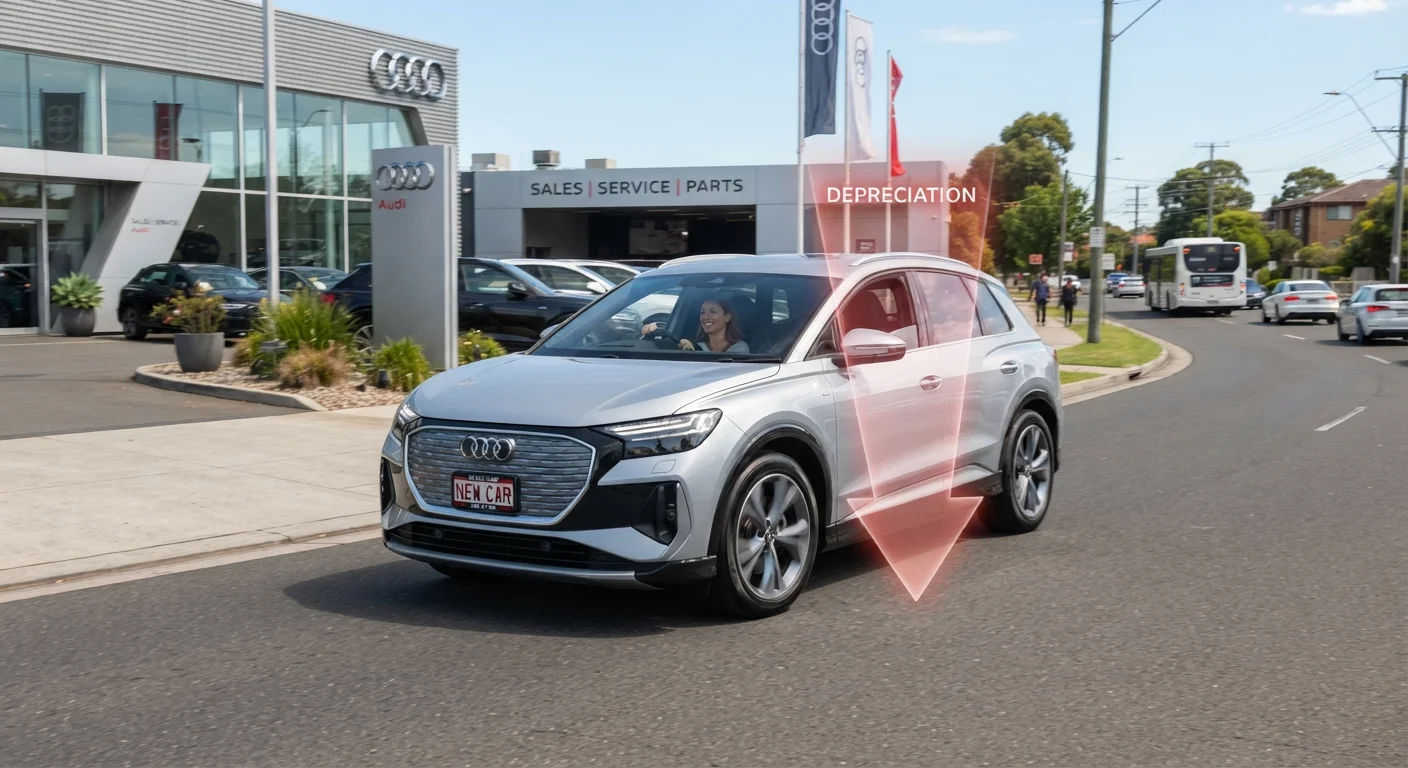
Key Takeaways
- A new car typically loses 15-25% of its value in the first year alone.
- Depreciation is widely considered the largest single cost of car ownership.
- Mileage, condition, brand reputation, and market demand all directly affect how fast a car depreciates.
- Buying a vehicle that is one to three years old can significantly reduce depreciation losses.
- Keeping a car well-maintained helps preserve its resale value over time.
Vehicle Depreciation
Vehicle depreciation is the reduction in a car's market value over time. Every car loses value from the moment it is first driven, and that loss continues throughout the vehicle's life - accelerating fastest in the early years. Depreciation is not a fee you pay directly, but it represents real money lost when you eventually sell or trade in your car.
Depreciation is calculated as the difference between a vehicle's purchase price and its residual value at a given point in time. Lenders and leasing companies use projected residual values to set monthly payments and lease terms.
Why Depreciation Hits Hardest in Year One
The moment a vehicle is registered in a buyer's name, it transitions from "new" to "used" in the eyes of the market. That single status change, combined with the loss of any remaining manufacturer incentives on the original sale, immediately reduces what a subsequent buyer would pay. Industry data consistently shows that new vehicles lose approximately 15-25% of their purchase price within the first twelve months.
The steepness of early depreciation reflects market reality: a used car, no matter how pristine, competes directly with new-car incentives, manufacturer financing deals, and certified pre-owned programs. By years two and three, annual depreciation rates typically moderate to roughly 10-15% per year before flattening further. After five years, many vehicles have lost between 40-60% of their original value.
For context on how this fits into the full picture of what you spend, see our breakdown of the true cost of owning a car.
20%
Average first-year depreciation for a new vehicle
Industry analyses, including data from automotive valuation services, consistently estimate new cars lose roughly 15-25% of value in year one.
~50%
Value lost after five years of ownership
After five years, many vehicles have depreciated to roughly half their original purchase price, though this varies significantly by make and model.
#1
Largest single cost of car ownership
Depreciation is consistently ranked as the top expense in five-year vehicle ownership cost studies by major automotive research organizations.
Key Factors That Accelerate or Slow Depreciation
Depreciation is not uniform across all vehicles. Several factors push a car's value down faster - or help it hold value longer:
- Mileage: The average American driver puts roughly 15,000 miles per year on a vehicle. Cars driven significantly above that average depreciate faster because higher mileage signals more wear on mechanical components.
- Condition: Dents, stained interiors, or deferred maintenance reduce buyer confidence and lower resale prices. A clean service record and good cosmetic condition measurably help at trade-in or private sale.
- Brand and model reputation: Vehicles with a proven track record for reliability and low running costs tend to command stronger resale values. Consumer demand, not just quality, drives this - popular body styles in a given market cycle hold value better.
- Fuel type and technology: As fuel economy standards evolve and electric vehicles become more mainstream, older powertrain technologies can depreciate faster if consumer preference shifts away from them.
- Color and features: Unusual or highly personalized colors and trim options can narrow the pool of interested buyers, nudging resale value downward.
Practical habits that help control long-term ownership costs - including maintenance timing - can make a real difference in where your car lands on resale.
Preserve Resale Value With a Service Record
Keep all maintenance receipts and records in one place - either a physical folder or a digital file. When it comes time to sell or trade in, documented upkeep gives buyers confidence and can meaningfully support your asking price. Even routine oil changes and tire rotations are worth documenting.
Depreciation as a Cost - and How to Think About It
Unlike fuel or insurance, depreciation doesn't arrive as a monthly bill. That invisibility makes it easy to underestimate. However, automotive industry analyses routinely identify depreciation as the single largest component of vehicle ownership cost over a typical five-year ownership period - often exceeding fuel costs, insurance premiums, and maintenance combined.
One useful way to quantify your own vehicle's depreciation is to compare its current market value against what you paid, then divide by the number of months you've owned it. That figure represents your average monthly depreciation cost - a real expense even if no invoice ever arrives.
If you're unsure about the terminology used in depreciation discussions - such as residual value, TCO, or amortization - our car ownership cost glossary covers each term in plain English.
For drivers weighing whether to buy new or used, the depreciation curve makes a compelling case for vehicles that are one to three years old. The steepest value loss has already occurred, yet the car typically retains most of its functional life. See how the cost profile shifts over time in our guide on what happens to ownership costs as a car ages.