
Protein Sources Across Dietary Patterns: Animal, Plant, and Everything Between

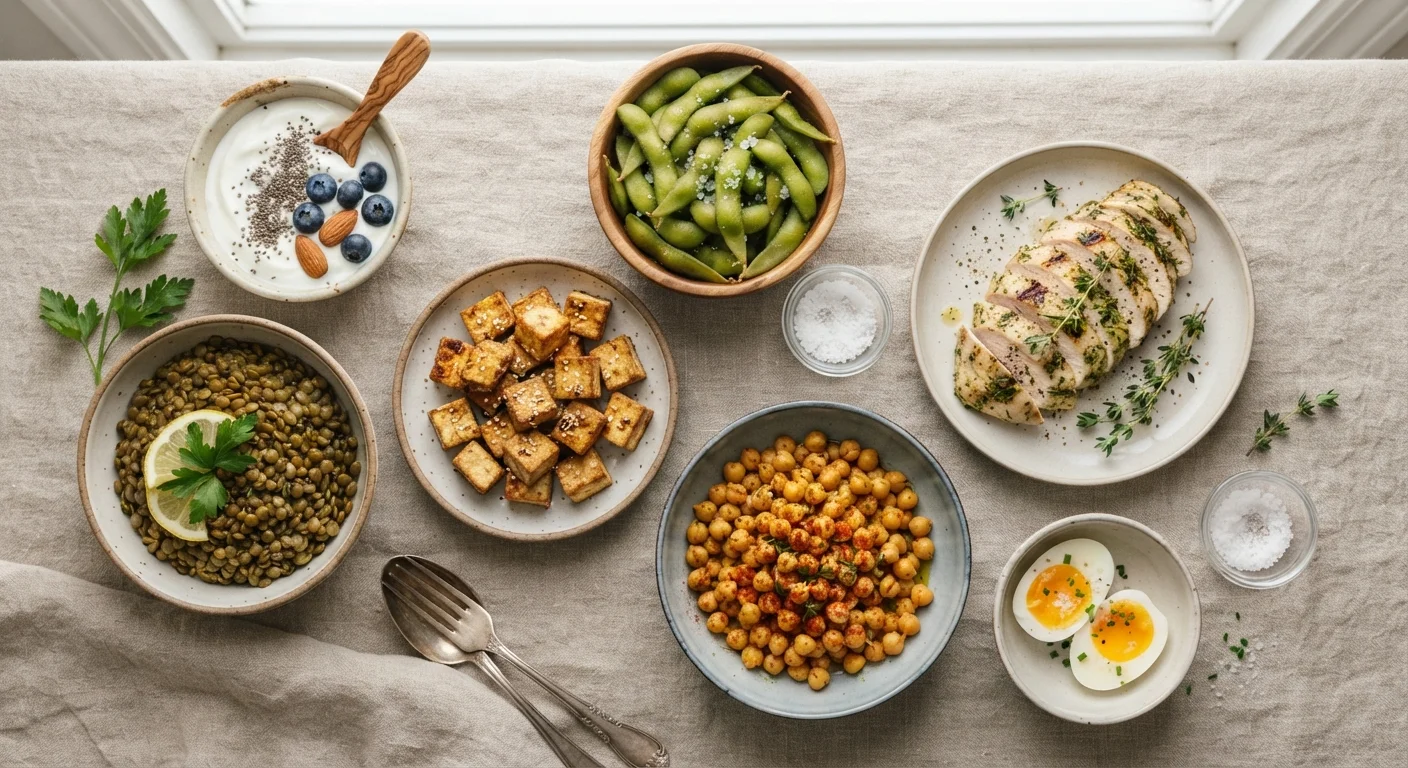
Key Takeaways
- Complete proteins supply all nine essential amino acids; most animal proteins qualify, while few plant proteins do.
- Digestibility scores like PDCAAS and DIAAS help compare how efficiently the body uses protein from different foods.
- Combining complementary plant proteins - such as rice and beans - can meet essential amino acid needs without animal products.
- Processing method affects protein quality: fermented soy and sprouted legumes are generally more bioavailable than their raw counterparts.
- Most adults benefit from distributing protein intake across meals rather than concentrating it in one sitting.
Why Protein Source Matters Beyond the Gram Count
When most people track protein, they stop at the number on a nutrition label. But the gram count tells only part of the story. What matters equally - if not more - is the amino acid profile of a protein and how well your digestive system can actually extract and absorb it.
Proteins are built from 20 amino acids, nine of which are classified as essential because the body cannot synthesize them on its own. Foods that supply all nine in adequate proportions are called complete proteins. Foods that fall short in one or more are incomplete - though that label can be misleading, since dietary variety across a day can easily fill any gaps.
Two scoring systems are commonly used by researchers and dietitians to evaluate protein quality. The PDCAAS compares a food's amino acid pattern against a human reference and adjusts for digestibility, capping at a score of 1.0. The newer DIAAS is considered more accurate because it measures amino acid absorption in the small intestine rather than overall digestibility. Neither score is printed on food packaging, but understanding what drives them helps explain why a 20-gram serving of whey protein behaves differently in the body than 20 grams from lentils.
With that framework in mind, the list below walks through major protein categories, what science says about each, and how they fit into different eating patterns. Before making significant dietary changes - especially if you have a chronic health condition - consult a registered dietitian or your healthcare provider.
Spread Your Protein Across the Day
Research suggests that distributing protein intake evenly across meals - rather than loading most of it at dinner - supports more efficient muscle protein synthesis. Aiming for a meaningful protein contribution at breakfast and lunch, not just the evening meal, is a practical and evidence-supported habit. This is especially important for adults over 60, who may need higher per-meal amounts to achieve the same anabolic response.
Major Protein Sources and What Sets Each Apart
Eggs: A Benchmark for Protein Quality
Eggs have long served as the reference standard against which other proteins are measured. A large egg provides roughly 6 grams of protein with a DIAAS score near 1.0, meaning virtually all of its essential amino acids are absorbed and used efficiently. The protein is distributed between the white (primarily albumin) and the yolk, which also contributes fat-soluble vitamins and choline.
Eggs fit easily into omnivorous, vegetarian, and pescatarian eating patterns. Cooking method has minimal impact on amino acid content, though cooked eggs are more digestible than raw ones - a point relevant for anyone adding raw eggs to smoothies.
Eggs score near the top of every established protein quality metric, making them a benchmark food in nutrition research.
Dairy and Whey: Fast-Absorbing Complete Proteins
Dairy-derived proteins - casein and whey - are both complete and highly bioavailable. Whey is a fast-digesting protein that raises blood amino acid levels quickly, which is why it appears frequently in post-exercise nutrition research. Casein digests more slowly, releasing amino acids steadily over several hours.
Greek yogurt, cottage cheese, and milk are everyday dairy vehicles that provide meaningful protein alongside calcium, potassium, and B vitamins. Lactose-intolerant individuals may tolerate fermented options like yogurt or aged cheeses better than fluid milk, and lactase supplements can help when needed. Plant-based dairy alternatives vary widely in protein content - oat milk typically provides far less than cow's milk, while soy milk is nutritionally comparable.
Whey and casein together make dairy one of the most complete and versatile protein sources available in everyday foods.
Poultry and Red Meat: Density and Nutritional Trade-offs
Chicken breast, turkey, beef, and pork deliver dense, complete protein with high DIAAS scores. A 3-ounce cooked serving of chicken breast contains roughly 26 grams of protein with minimal saturated fat. Red meat adds iron (in its highly absorbable heme form), zinc, and vitamin B12 - nutrients that require more deliberate planning on plant-centered diets.
The nutritional trade-off with red meat - particularly processed varieties like sausage and deli meats - is the associated saturated fat and sodium content. Major dietary guidelines and epidemiological research generally support limiting processed red meat while leaving unprocessed lean red meat as a contextual choice within an otherwise balanced diet. Cooking methods that minimize charring (braising, baking, steaming) reduce the formation of potentially harmful compounds associated with high-heat grilling.
Lean poultry offers dense, complete protein with a favorable saturated-fat profile compared with most red and processed meats.
Fish and Seafood: Protein with Omega-3 Benefits
Fish provides complete, easily digestible protein alongside omega-3 fatty acids - particularly EPA and DHA - which have well-established links to cardiovascular and cognitive health. Fatty fish such as salmon, mackerel, and sardines deliver both protein and omega-3s in one food. Leaner options like cod and tilapia are lower in fat but still complete protein sources.
Seafood's main nutritional caveat is mercury, which accumulates in larger, longer-lived species like shark, swordfish, king mackerel, and tilefish. Pregnant individuals and young children are advised by the FDA and EPA to avoid high-mercury species and limit albacore tuna, while most adults can safely enjoy a variety of lower-mercury seafood multiple times per week.
Fatty fish delivers complete protein and omega-3s together, making it one of the most nutrient-dense animal proteins available.
Legumes: The Cornerstone of Plant-Based Protein
Lentils, chickpeas, black beans, kidney beans, and their relatives are the primary protein workhorses for vegetarian and vegan diets. A cooked cup of lentils provides around 18 grams of protein along with substantial fiber, folate, and iron. Most legumes are limiting in the amino acid methionine, but pairing them with grains (which are limiting in lysine) across a day's meals effectively creates a complete amino acid profile - they don't need to be eaten at the same meal.
Legume digestibility is lower than animal proteins due to antinutrients like phytic acid and tannins. Soaking dried beans overnight, discarding the soaking water, and cooking thoroughly reduces these compounds significantly. Sprouting and fermenting (as in tempeh) further improve bioavailability.
Legumes anchor plant-based diets with substantial protein, fiber, and micronutrients - their amino acid gaps close easily through dietary variety.
Soy: The Plant Kingdom's Complete Protein
Soybeans are one of the few plant foods considered a complete protein, with a PDCAAS and DIAAS approaching those of animal products. Tofu, tempeh, edamame, and soy milk all provide meaningful protein, with tempeh leading the group due to fermentation that both increases bioavailability and adds beneficial probiotics.
Decades of research have not supported early concerns that soy's phytoestrogens (isoflavones) cause hormonal disruption in typical food amounts for most healthy adults. Major health organizations continue to recognize whole soy foods as a healthful protein choice. Highly processed soy isolates in protein powders are a separate category - functional but lacking the broader nutritional complexity of whole soy foods.
Soy stands apart from other plant proteins by delivering a complete essential amino acid profile comparable to many animal sources.
Grains, Nuts, and Seeds: Supporting Proteins Worth Knowing
While not primary protein sources, whole grains like quinoa (which is actually a complete protein), farro, and oats contribute meaningfully when eaten in typical portions. Nuts and seeds - hemp seeds, pumpkin seeds, almonds, peanuts - add protein alongside healthy fats, vitamin E, and magnesium. Hemp seeds in particular contain all essential amino acids and approximately 10 grams of protein per 3-tablespoon serving.
These foods function best as protein complements rather than sole sources, rounding out meals that already include legumes, soy, eggs, or dairy. Peanut butter on whole-grain toast, for instance, is a classic combination that together provides a broader amino acid spectrum than either food alone.
Quinoa, hemp seeds, and pumpkin seeds punch above their weight as plant proteins, each offering a more complete amino acid profile than most grains.
A Note on Protein Supplements
Protein powders and shakes can be a convenient way to fill gaps, but they are not necessary for most people eating varied, balanced diets. Whole and minimally processed foods generally deliver protein alongside fiber, vitamins, and minerals that isolated supplements lack. If you're considering supplements - especially for a specific health goal or medical reason - a registered dietitian can help determine whether they're warranted and which type fits your dietary pattern.
Building protein variety into your routine is also a practical shopping strategy. The nutritionally sound grocery list guide offers a structured approach to stocking a kitchen that supports consistent, balanced eating across all food groups.
Putting It All Together for Your Dietary Pattern
No single protein source is universally superior. Animal proteins tend to score higher on DIAAS and deliver complete amino acid profiles in concentrated form, but plant proteins bring fiber, phytonutrients, and lower saturated fat - benefits that animal sources largely lack. A mixed omnivorous pattern, a well-planned vegetarian diet, and a thoughtfully constructed vegan diet can all meet protein needs; the effort required simply differs.
Research broadly supports spreading protein intake across meals - roughly equal portions at breakfast, lunch, and dinner - to support muscle protein synthesis more effectively than eating most protein at a single meal. This holds across age groups but is particularly relevant for older adults, who may require higher per-meal doses to stimulate the same anabolic response as younger individuals.
The bottom line: prioritize variety, pay attention to overall dietary quality, and view protein sources as one component of a broader nutritional picture rather than an isolated metric to optimize. This article is general nutrition information and is not a substitute for personalized guidance from a qualified healthcare professional.
This article is for informational and educational purposes only and does not constitute medical or dietary advice. Consult a qualified healthcare provider or registered dietitian before making significant changes to your diet.