

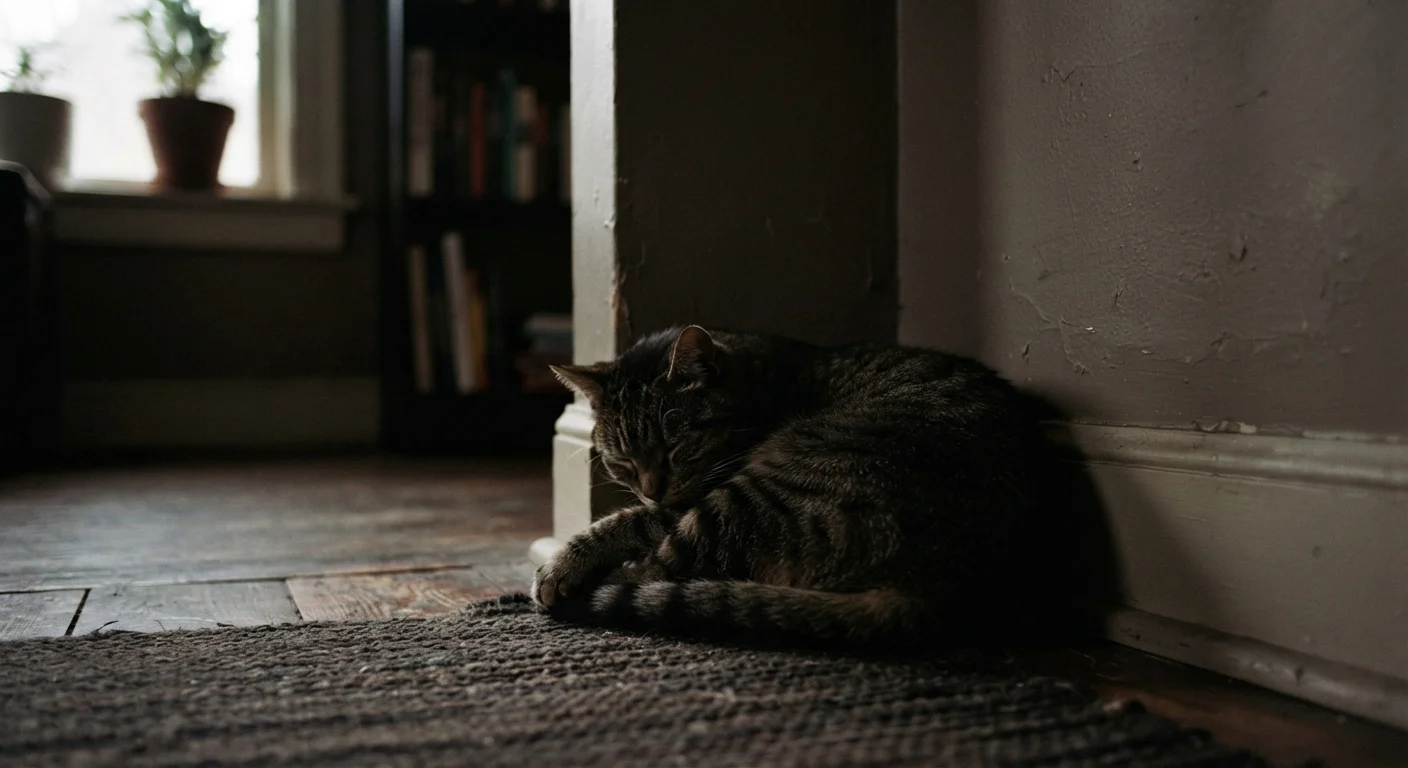
Key Takeaways
- Cats instinctively mask pain as a survival behavior inherited from wild ancestors.
- Behavioral changes - not vocalizations - are often the most reliable early indicators of feline pain.
- Subtle shifts in grooming, appetite, posture, and social interaction deserve prompt attention.
- The Feline Grimace Scale is a validated veterinary tool for assessing acute pain using facial cues.
- Any persistent behavioral change in your cat warrants a veterinary evaluation.
Feline Pain Concealment
Cats are hardwired to hide signs of pain or illness. This survival instinct, inherited from their wild ancestors, means a cat in significant discomfort may still appear outwardly normal to an untrained eye. Recognizing pain in cats requires watching for subtle behavioral and physical changes rather than obvious distress signals.
Veterinary researchers use standardized tools such as the Feline Grimace Scale (FGS) to objectively assess acute pain in cats based on facial action units including ear position, orbital tightening, and whisker change.
The Survival Instinct Behind the Stoic Cat
Unlike dogs, who often make discomfort unmistakably clear, cats are practiced concealers. This isn't stubbornness or indifference - it's biology. In the wild, a cat showing obvious signs of pain becomes a target. Predators seek out the weak, so masking vulnerability is a deeply ingrained self-protection strategy.
Domestic cats share this wiring with their wild relatives. Even a pampered indoor cat who has never encountered a predator will instinctively suppress outward signs of illness or injury. The result is that owners are frequently unaware their cat is suffering until a condition has progressed significantly.
Understanding this instinct is the first step toward becoming a more attentive caregiver. Rather than waiting for obvious cues, owners need to learn the language of subtle change.
Behavioral Clues That Often Go Unnoticed
Because cats rarely cry out in pain, behavioral shifts are the primary signal most owners will encounter. These changes can be easy to dismiss or misinterpret - which is why knowing what's normal for your specific cat is essential.
~80%
Cats with arthritis showing few obvious signs
Research published in veterinary literature suggests a large proportion of cats over 10 years old show radiographic evidence of joint disease, yet many display minimal overt lameness - illustrating how effectively cats conceal chronic pain.
5 units
Facial markers on the Feline Grimace Scale
Developed by researchers at the Université de Montréal, the Feline Grimace Scale uses five validated facial action units to score acute pain in cats, offering a structured alternative to behavioral guesswork.
- Hiding or withdrawal: A sociable cat suddenly spending hours under the bed or in a closet may be seeking isolation to cope with discomfort.
- Changes in grooming: Both over-grooming a specific area (which may indicate localized pain) and under-grooming (unkempt, matted coat) can signal a problem.
- Reduced activity or reluctance to move: Hesitation to jump onto furniture a cat previously used freely, or a stiff, hunched gait, may point to joint pain or injury.
- Altered social behavior: A normally affectionate cat becoming withdrawn, or a more independent cat suddenly seeking constant proximity, can both reflect distress.
- Changes in vocalization: Increased yowling, growling when handled, or unusual silence can all indicate pain, depending on the individual cat's baseline.
See our guide to reading your pet's body language for a broader look at how posture and ear position communicate your cat's emotional state.
Physical Indicators Worth Monitoring
Alongside behavior, certain physical signs provide important clues. The Feline Grimace Scale - a validated tool developed by veterinary researchers - identifies five facial action units associated with acute pain: ear position (flattened or rotated), orbital tightening (squinted eyes), muzzle tension, whisker position (bunched forward or flattened), and head position (lowered below the shoulders). While the scale was designed for clinical use, owners who familiarize themselves with these markers may notice them during handling or observation at home.
Additional physical indicators include:
- Reduced appetite or refusal of food that is normally accepted eagerly
- Changes in litter box habits - going outside the box, straining, or visiting more or less frequently. Our article on litter box problems in cats can help distinguish behavioral from medical causes.
- Labored, shallow, or rapid breathing at rest
- Unusual body posture - sitting hunched with feet tucked tightly under the body
No single sign is definitive on its own. A pattern of changes, or any sign that persists, warrants professional evaluation.
What to Do If You Suspect Your Cat Is in Pain
If you notice behavioral or physical changes that concern you, the appropriate first step is always to contact your veterinarian. This is not a situation where a wait-and-see approach is reliably safe - pain that goes unaddressed can worsen quickly, and what appears minor may reflect a more serious underlying condition.
Never administer human pain medications to a cat. Drugs such as acetaminophen (Tylenol) and ibuprofen are highly toxic to cats and can be fatal even in small doses. Only a veterinarian should assess, diagnose, and treat feline pain.
Between noticing a concern and your vet appointment, keep a simple written log: what you observed, when it started, how frequently it occurs, and any other changes in eating, drinking, or litter box use. This record helps your veterinarian form a clearer clinical picture. You might also review the signs your pet may need a vet sooner than you think to help prioritize urgency.
This article is for general informational purposes only and is not a substitute for professional veterinary advice, diagnosis, or treatment. Always consult a licensed veterinarian with concerns about your cat's health.