

Key Takeaways
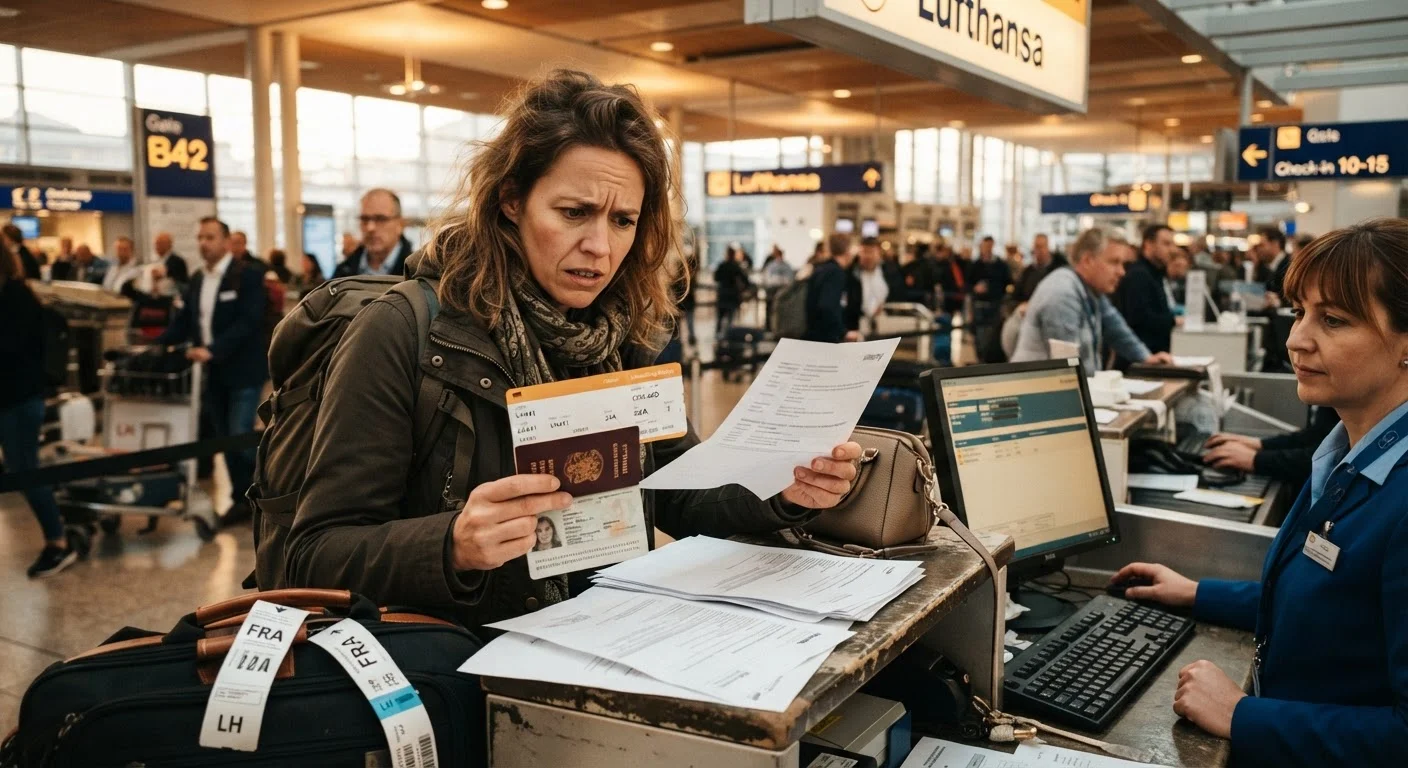
- Expired or soon-to-expiring IDs and passports are among the most common causes of denied boarding.
- Misreading time zones and 12-hour vs. 24-hour clock formats can cause travelers to miss flights entirely.
- Skipping official travel advisories leaves travelers unaware of entry requirements, health risks, or safety concerns.
- Overlooking foreign transaction fees and currency realities can quietly blow a travel budget.
- Not confirming reservations 24-48 hours before arrival leads to avoidable surprises at hotels and tours.
Why Well-Planned Trips Still Go Wrong
Hours of research, months of saving, multiple browser tabs - and yet something still slips through. Experienced travelers know that a trip rarely fails because of the big decisions. It fails because of the small ones: the passport validity rule no one mentioned, the hotel confirmation never double-checked, the advisory page never opened. These aren't flukes. They're consistent, repeatable mistakes made by otherwise careful planners.
The good news? Every error on this list is preventable. Working through them before you leave is exactly what our pre-departure checklist for international travel is designed to help you do. But first, here's where things go wrong - and why.
Assuming your passport is valid long enough for the trip.
Why it happens: Many travelers check that their passport hasn't expired but miss that most countries require six months of validity beyond your travel dates - a rule that catches people by surprise at the check-in counter.
Misreading flight times due to time zone confusion or 24-hour clock errors.
Why it happens: Booking platforms and airline confirmations sometimes display times in the departure city's local time, the destination's time, or UTC - and travelers don't always notice which. A 12:00 departure can be misread as noon when it's actually midnight.
Skipping official travel advisories before booking or departing.
Why it happens: Travel advisories can feel alarmist or vague, so many travelers dismiss them - especially when they've visited a destination before and had no issues. Entry rules, health requirements, and local conditions can shift significantly between trips.
Failing to confirm reservations within 48 hours of arrival.
Why it happens: Once a booking confirmation email arrives, most travelers consider the task done. But reservations - particularly at smaller hotels, guesthouses, and local tour operators - can be accidentally double-booked, cancelled due to a payment error, or affected by unforeseen closures.
Ignoring foreign transaction fees and unfavorable currency exchange points.
Why it happens: Travelers often focus on the sticker price of flights and hotels, then discover mid-trip that every card swipe or ATM withdrawal is quietly adding 3-5% in fees. Airport and hotel currency exchange desks routinely offer poor rates compared to in-network ATMs abroad.
Over-packing the itinerary without accounting for travel time between locations.
Why it happens: Maps and booking platforms make cities look close together. Travelers see two sites a few inches apart and schedule them back-to-back, not accounting for transit delays, lines, or the simple reality of moving through an unfamiliar city.
The Compounding Cost of Small Oversights
Each mistake on its own might be manageable. Miss a tour reservation? Frustrating but recoverable. But several small oversights stacking up - a delayed flight, a misread itinerary, a currency exchange you hadn't planned for - can snowball fast. If your schedule is packed with back-to-back commitments, one hiccup can knock over everything downstream.
Don't Rely Solely on a Booking Confirmation Email
A confirmation number is not a guarantee that everything is in order. Payment failures, system errors, and miscommunications between booking platforms and local operators can result in reservations that exist on paper but not in reality. Always verify critical bookings - especially accommodations on the first night of a trip - directly with the provider before you travel.
This is why building breathing room into your itinerary matters so much. Margin isn't laziness - it's insurance. And when your budget is already stretched thin, unexpected costs from avoidable mistakes sting even more. Our guide on why travel budgets fall short covers the hidden fees and conversion traps that catch even organized travelers off guard.
The underlying pattern is almost always the same: travelers focus so intensely on the headline items - flights, hotels, what to see - that the connective tissue of the trip gets neglected. Verifying entry requirements, checking local laws, confirming that a reservation is actually on the books - these feel like chores, so they get pushed until it's too late.
For anyone tackling a longer journey, the stakes are higher still. Our end-to-end guide to planning a long-haul trip walks through the documentation, health logistics, and contingency planning that short trips can skip but long ones absolutely cannot.
This article is for general informational purposes only. For destination-specific entry requirements, health recommendations, or safety conditions, always verify directly with official government sources and relevant authorities before traveling.