

Key Takeaways
- High-mileage vehicles need more frequent fluid checks and earlier seal inspections than newer cars.
- Timing belt replacement (if applicable) and spark plug service become critical past 100,000 miles.
- Suspension and brake components degrade gradually - regular inspection prevents safety failures.
- Switching to high-mileage engine oil formulas can help reduce leaks in older engines.
- A documented service history is your most valuable tool for managing a high-mileage vehicle.
Why 100,000 Miles Changes the Equation
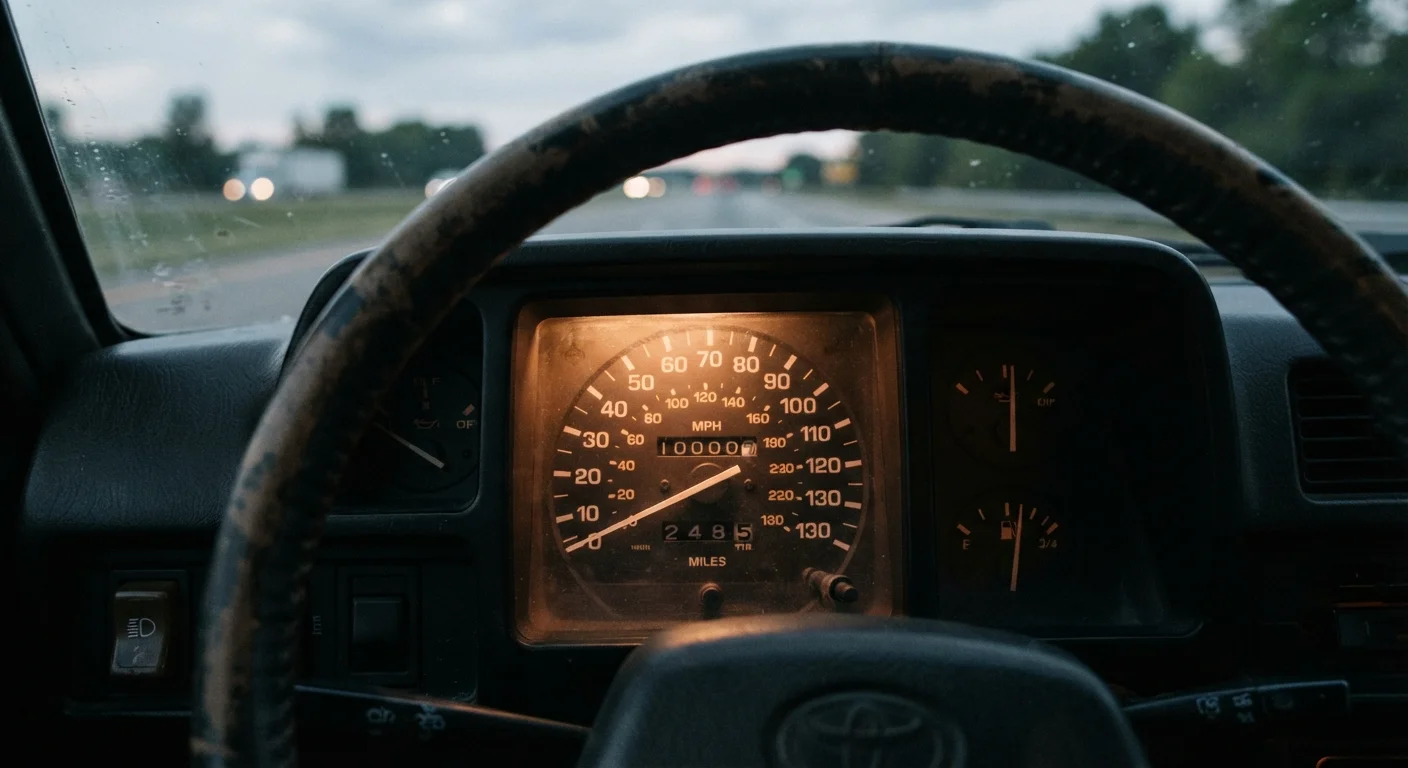
Crossing the 100,000-mile mark doesn't mean a vehicle is worn out - but it does mean the maintenance playbook needs to evolve. Components that were perfectly fine at 40,000 miles may now be approaching the end of their designed service life, and the cost of ignoring that reality tends to be far higher than the cost of staying ahead of it.
The core shift is this: preventive maintenance becomes more frequent and more targeted. Rubber components harden and crack. Gaskets and seals begin to seep. Systems that worked quietly for years start sending early warning signals. Understanding which systems are most vulnerable - and what those signals look like - is the foundation of smart high-mileage ownership.
For a broader view of managing long-term vehicle expenses, see our guide on keeping vehicle ownership costs under control over time.
High-Mileage Doesn't Mean High-Risk
Many vehicles routinely reach 200,000 miles or more with consistent, attentive maintenance. The shift past 100,000 miles isn't a warning sign - it's a cue to be more deliberate. Vehicles that receive regular oil changes, timely fluid replacements, and proactive inspections often outlast poorly maintained cars with half the mileage.
Fluids and Seals: Where High-Mileage Problems Begin
Fluid degradation accelerates in older engines, and leaks that were barely noticeable at 80,000 miles can worsen quickly. Checking fluid levels and condition more frequently - rather than waiting for scheduled intervals - is one of the highest-value habits for high-mileage drivers. Our guide to car fluids every driver should check covers exactly how to do this at home.
- Engine oil: Past 100,000 miles, oil consumption often increases slightly. Check the dipstick every 1,000-1,500 miles rather than waiting for the next change. Dark, gritty oil between intervals is a sign the change interval may need to shorten.
- Coolant: Older coolant loses its corrosion inhibitors, accelerating wear on aluminum engine components. Most manufacturers recommend a full coolant flush every 30,000-50,000 miles; high-mileage vehicles at the upper end of that range should not delay.
- Transmission fluid: Automatic transmissions in high-mileage vehicles are particularly sensitive to degraded fluid. If the fluid has never been changed, consult a qualified technician before doing a full flush - in some high-mileage transmissions, a sudden fluid change can disturb built-up deposits.
- Brake fluid: This hygroscopic fluid absorbs moisture over time, lowering its boiling point. A brake fluid test or replacement every two years is a reasonable general benchmark for older vehicles.
Switch to a high-mileage engine oil formulation once your car passes 75,000-100,000 miles. These blends typically include seal conditioners that help reduce seepage from aging gaskets.
Older engines develop minor seal shrinkage over time. High-mileage oil additives are specifically engineered to swell and recondition rubber seals, which can reduce or delay minor oil leaks without requiring immediate mechanical repair.
Ask your shop to perform a compression test at your next major service if your car is past 120,000 miles. It gives you a clear picture of engine health before smaller symptoms become expensive problems.
A compression test measures how well each cylinder seals combustion pressure - a reliable indicator of piston ring and valve wear. Catching declining compression early allows you to plan repairs rather than react to a breakdown.
Timing Belts, Spark Plugs, and Wear Items to Prioritize
Several components have defined service lives that commonly fall in the 60,000-120,000-mile window. Vehicles that have crossed 100,000 miles without documented service on these items should treat them as overdue.
Don't Skip the Timing Belt Window
If your engine uses a timing belt (rather than a chain) and you have no record of it being replaced, treat it as overdue. A snapped timing belt can cause catastrophic engine damage in many engines - a repair bill that often exceeds the vehicle's value. Check your owner's manual for the manufacturer's recommended interval, typically between 60,000 and 105,000 miles.
Spark Plugs
Modern iridium and platinum spark plugs are rated for 60,000-100,000 miles in many vehicles. Worn plugs cause misfires, reduced fuel economy, and harder starting - issues that are easily avoided with timely replacement. Our article on what a tune-up actually includes in a modern car explains what this service typically covers today.
Drive Belts and Hoses
Serpentine belts, accessory drive belts, and coolant hoses are all rubber components subject to heat cycling and UV degradation. Visual inspection at every oil change - looking for cracking, glazing, or fraying - catches these before they fail on the road.
Inspect Coolant System Components Carefully
Radiator hoses, the thermostat, and the water pump are frequent failure points in high-mileage vehicles. A coolant system failure can lead to engine overheating within minutes - one of the fastest ways to cause severe, expensive engine damage. If hoses feel soft, spongy, or show cracking, have them replaced promptly. The water pump is often replaced alongside the timing belt as a cost-effective measure since the labor is shared.
Battery
Most automotive batteries have a reliable service life of three to five years. A high-mileage vehicle that has been owned for several years may be operating on its original or aging battery. Learn more about how car battery lifespan works and what early symptoms look like.
Suspension, Brakes, and Tires: The Safety-Critical Systems
Suspension and brake components wear gradually, which makes their degradation easy to overlook. By 100,000 miles, many of these parts may be near or past their effective service life, depending on road conditions and driving style. These systems directly affect vehicle control, so they warrant close attention. Visit our Driving & Safety hub for broader guidance on vehicle safety practices.
Suspension Components
Shock absorbers and struts typically last 50,000-100,000 miles under normal conditions. Worn shocks increase stopping distances, cause excessive body roll in turns, and accelerate tire wear. Signs include a bouncy or wallowing ride, nose-diving under braking, or cupped tire wear patterns.
Brakes
Brake pad and rotor life varies widely by driving habits, but high-mileage vehicles may also develop caliper seizing, brake hose deterioration, or rotor warping that younger vehicles rarely experience. An annual brake inspection is a reasonable standard for vehicles past 100,000 miles.
Tires
Even tires with adequate tread depth should be inspected for age-related cracking (sidewall or tread area) if the vehicle is more than six years old. Many tire manufacturers recommend replacement based on age as well as wear, regardless of remaining tread depth.
12+ years
Average age of vehicles on U.S. roads
According to S&P Global Mobility data, the average age of registered light vehicles in the U.S. has trended above 12 years, meaning most cars on the road are well into high-mileage territory.
~$100-$750
Typical timing belt replacement cost
Industry repair estimates place timing belt service in this range depending on vehicle make and labor rates - far less than the engine damage a failed belt can cause.
30%
Brake fluid moisture absorption after 2 years
Automotive engineers note that brake fluid can absorb meaningful moisture over time, lowering its boiling point and reducing braking performance, particularly in older vehicles.
Building a Smarter Maintenance Routine
The most effective approach to high-mileage ownership is systematic rather than reactive. Rather than waiting for a warning light or symptom, build an inspection rhythm that surfaces problems while they're still inexpensive to fix.
- Shorten fluid check intervals: Don't rely solely on dashboard indicators. Manual checks of oil, coolant, and brake fluid every month take less than five minutes.
- Use your owner's manual as a baseline: Manufacturer maintenance schedules are designed for typical use. High-mileage vehicles - particularly those driven in extreme heat, cold, or stop-and-go traffic - often benefit from shortening those intervals by 10-20%.
- Build a relationship with a trusted technician: A mechanic familiar with your specific vehicle can spot patterns and flag developing issues before they worsen.
- Track every service: A complete maintenance log helps you avoid duplicate services and catch gaps. It also adds documented value if you ever sell the vehicle.
Keep Your Service Records Current
A complete maintenance log is one of the most practical tools for managing a high-mileage vehicle. It helps you and your mechanic identify what's been serviced and what's overdue. See our guide on keeping track of your vehicle's service history for practical ways to stay organized.
Owning a high-mileage vehicle isn't a liability by default. With deliberate, informed maintenance, many drivers extend reliable service well beyond 150,000 or even 200,000 miles - often at a lower total cost than trading for a newer model. The key is treating maintenance as an investment in the vehicle you already own, and staying a step ahead of the wear that every mile accumulates. For a comprehensive view of managing these costs over the life of your car, explore our Car Ownership Costs hub.