

Key Takeaways
- Most car batteries last three to five years, with climate and usage affecting where in that range yours lands.
- Slow engine cranking is one of the earliest and most reliable warning signs of a weakening battery.
- Extreme cold dramatically reduces battery output, making winter the most common season for battery failures.
- A battery more than three years old should be tested annually, even if no symptoms are present.
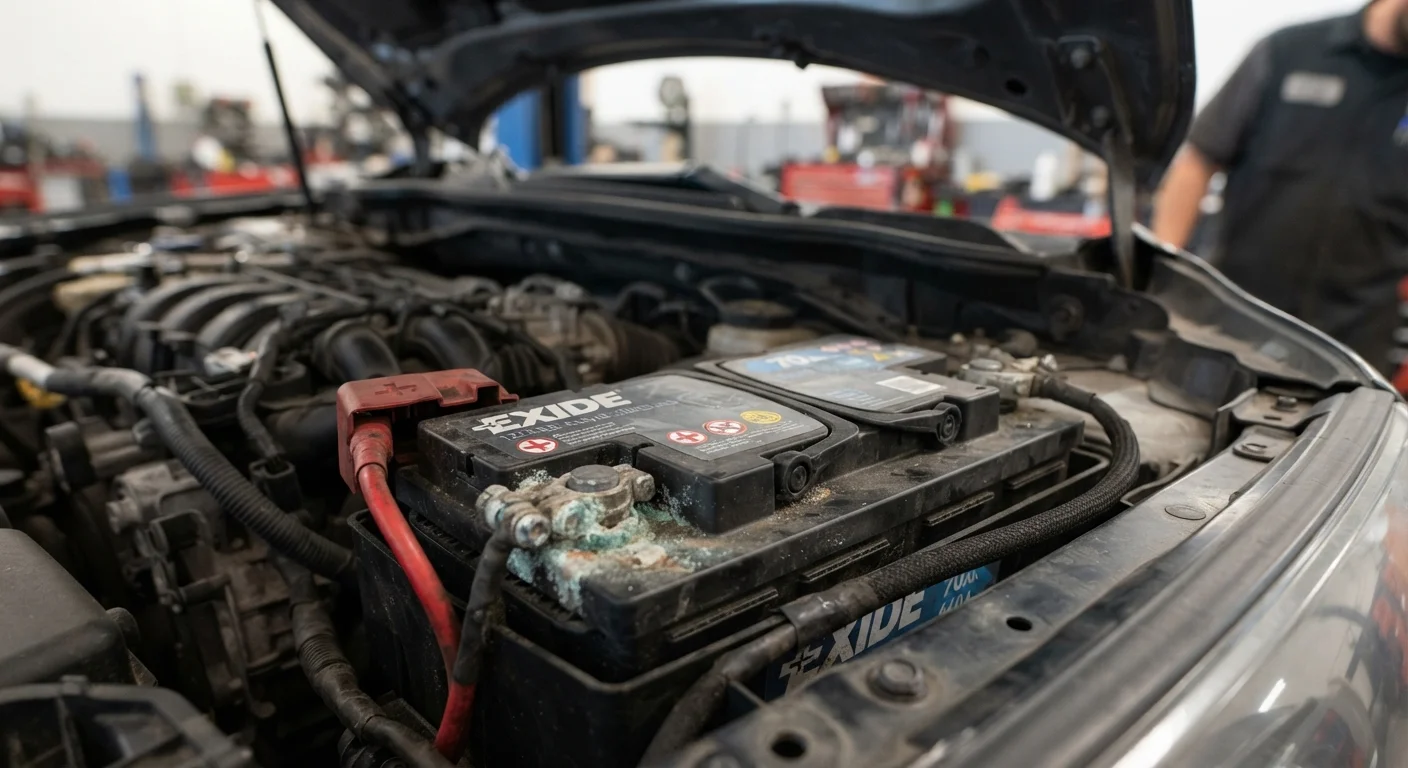
- Corroded terminals and a swollen battery case are visible indicators that shouldn't be ignored.
- Proactive testing costs far less than an emergency tow or roadside service call.
Car Battery Lifespan
A car battery's lifespan is the period during which it can reliably start the engine and power the vehicle's electrical systems. Most standard lead-acid batteries last between three and five years under typical driving conditions, though actual longevity varies based on climate, driving habits, and maintenance. Understanding this window helps drivers plan ahead rather than face an unexpected no-start situation.
Battery capacity degrades gradually through a process called sulfation, where lead sulfate crystals accumulate on the battery plates, reducing the battery's ability to hold a full charge over time.
How Long Car Batteries Actually Last
The three-to-five-year range cited by most mechanics is a reasonable planning benchmark, but real-world lifespan varies considerably. Geography plays a significant role: batteries in hot southern climates often degrade faster because heat accelerates the internal chemical reactions that break down battery plates. In cooler northern regions, batteries may last longer on paper - but cold weather ruthlessly exposes any hidden weakness when you need the car most.
Driving patterns matter too. Short, frequent trips - common in city driving - prevent the alternator from fully recharging the battery after each start, gradually reducing its total capacity. Highway drivers who regularly allow the battery a full charge cycle tend to get more years from the same unit.
3-5 years
Typical car battery lifespan
Industry data from AAA and battery manufacturers consistently places average lead-acid battery life in this range under normal driving conditions.
~40%
Battery capacity loss at 0°F
Battery Council International data indicates a lead-acid battery can lose nearly half its rated capacity in extreme cold, significantly increasing no-start risk.
1 in 5
Vehicles with a weak or failing battery
AAA roadside data has consistently shown that a significant proportion of vehicles tested have batteries operating below acceptable capacity thresholds.
If you drive a high-mileage vehicle, the battery isn't the only component worth watching. See our guide to maintenance after 100,000 miles for a broader picture of how needs shift as vehicles age.
Early Warning Signs Before a Battery Fails
Batteries rarely fail from full health to complete failure in one step. There's usually a degradation period during which clear signals appear - if you know what to look for.
- Slow engine cranking: If the engine turns over more slowly than usual, especially on the first start of the day, the battery is struggling to deliver the amperage the starter motor needs. This is often the first noticeable symptom.
- Dimming headlights at idle: Lights that brighten when you rev the engine but dim at idle suggest the battery can no longer maintain adequate voltage on its own.
- Electrical gremlins: Erratic behavior from power windows, infotainment systems, or seat controls can stem from inconsistent battery voltage.
- Dashboard warning light: A battery or charging system warning light signals a problem with the charging circuit - which may be the battery, the alternator, or both. Our dashboard warning lights guide explains which lights require immediate action.
- Swollen battery case: Excessive heat can cause the battery housing to bulge or warp. This is a physical sign of internal damage and the battery should be replaced promptly.
- Visible terminal corrosion: White or bluish crust around the terminals can restrict current flow and sometimes indicates the battery is venting more than it should.
Schedule a Free Load Test at Three Years
Many auto parts retailers offer free battery load testing without an appointment. Once your battery reaches three years old, adding an annual test to your routine is one of the simplest - and cheapest - ways to avoid being caught off guard. A test takes about five minutes and gives you a clear picture of how much useful life remains.
Why Winter Is the Critical Test
Cold temperatures reduce a battery's available output significantly. At 32°F, a typical lead-acid battery delivers roughly 20% less power than at moderate temperatures. At 0°F, that figure can drop to 40-50% of rated capacity - while simultaneously, engine oil thickens in the cold, requiring the starter to work harder to turn the engine over. A battery that starts your car fine in September may leave you stranded in January.
This is why autumn is the ideal time to have your battery load-tested - a test that measures real-world performance under simulated starting conditions, not just resting voltage. Our seasonal car maintenance checklist covers this and the other key checks before winter arrives.
When and How to Test Your Battery
A simple voltmeter check gives a snapshot of resting voltage - around 12.6 volts indicates a fully charged battery - but it doesn't tell you how the battery performs under load. A proper load test, available at most auto parts stores and service shops at no cost or low cost, applies a controlled electrical draw and measures how well the battery holds voltage. This is the most reliable way to catch a battery that measures fine at rest but can't deliver enough current to start the engine.
Industry guidance generally suggests testing any battery that is three years or older at least once a year, and more frequently if the vehicle sits unused for extended periods or operates in temperature extremes. Proactive testing is straightforward and inexpensive; a tow truck call and the stress of being stranded are neither.