

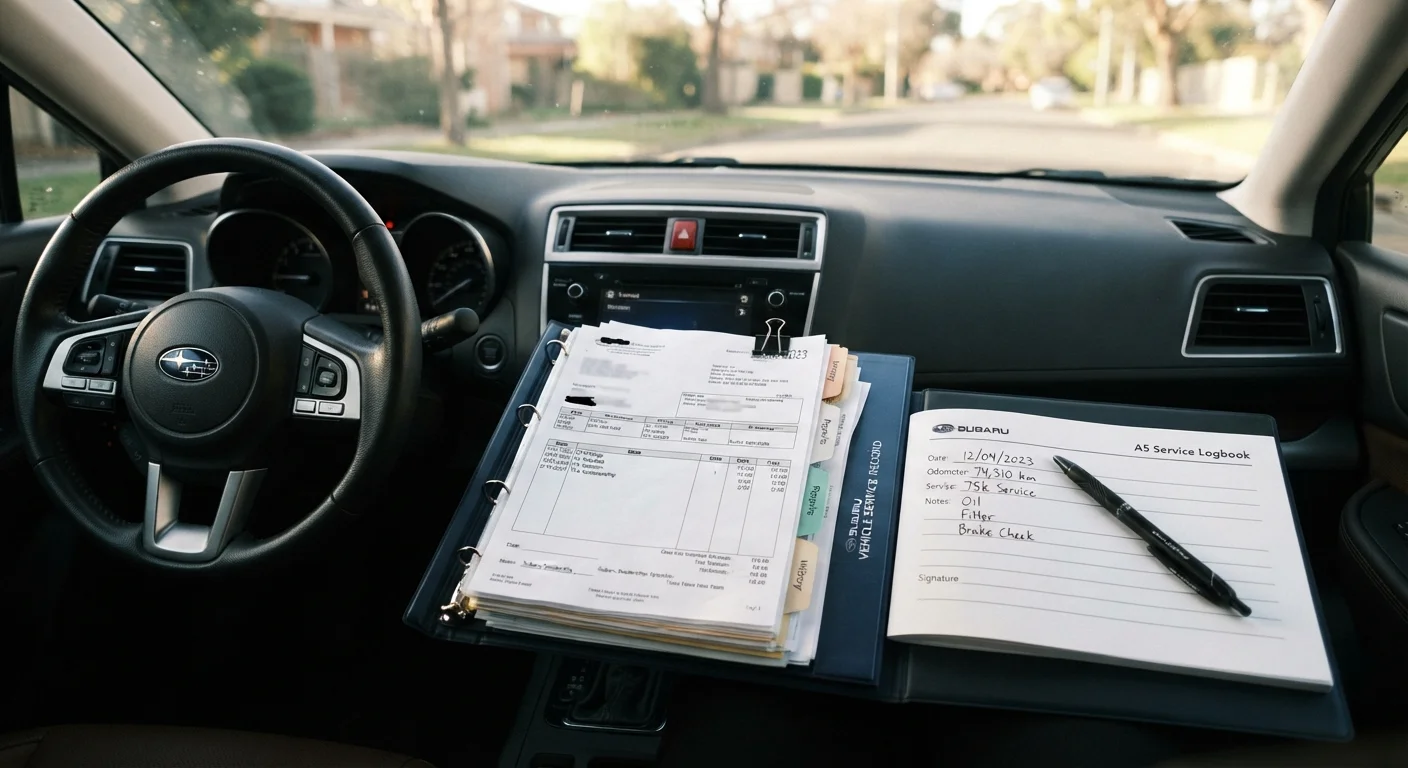
Key Takeaways
- A complete service history can meaningfully increase a vehicle's resale value by demonstrating consistent care.
- Both digital apps and physical folders are valid systems - consistency matters more than the method.
- Gaps in documentation can raise red flags for buyers, insurers, and warranty claims.
- Storing records in at least two places reduces the risk of losing critical maintenance history.
Why Your Service History Is Worth Protecting
A vehicle's service history is more than a paper trail - it's a financial and safety asset. Complete records help mechanics diagnose problems faster, allow owners to spot patterns before they become failures, and give buyers the confidence to pay a fair price. Without documentation, you're relying entirely on memory, which tends to be imprecise when it matters most.
For drivers managing long-term vehicle ownership costs, a well-kept service history is one of the most straightforward ways to protect the money already invested in the vehicle. It also reduces friction when dealing with insurers, extended warranty providers, and future buyers.
Dealer and Shop Records Aren't Always Reliable
Many drivers assume their dealership or service shop keeps permanent records on their behalf. In practice, shops may purge records after a few years, change ownership, or close entirely. Always maintain your own independent copy of every service receipt and work order - don't rely solely on third-party records.
Recommended Practices for Organizing Your Records
The system you choose matters less than using it consistently. Whether you prefer a physical accordion folder in the glove compartment or a dedicated app on your phone, the goal is a complete, accessible record of every service event. The practices below apply regardless of method.
Start a dedicated folder or envelope for every vehicle you own.
A single physical location for all receipts, inspection reports, and work orders eliminates the common problem of scattered paperwork. When records are easy to find, they're far more likely to actually be used and referenced.
Log every service event immediately after it occurs, not weeks later.
Memory fades quickly, and delayed logging introduces errors around dates, mileage, and exactly what was done. Accurate timestamps matter when diagnosing recurring problems or proving warranty compliance.
Record the mileage at every service, not just the date.
Many maintenance intervals are mileage-based rather than time-based. Knowing the odometer reading at each service allows you - and any future owner - to anticipate what's coming due next.
Back up digital records to a secondary location.
Phone apps can be deleted, devices lost, and cloud services discontinued. A redundant backup - whether a printed copy, a shared cloud folder, or an email archive - ensures your history survives hardware failure.
Keep the original owner's manual with your service records.
The owner's manual contains the manufacturer's recommended service schedule, which serves as the baseline against which your actual history can be compared. It's also a required document for many warranty and insurance conversations.
Transfer records completely when selling the vehicle.
A documented history is a tangible asset. Buyers and dealers use it to assess reliability and justify pricing. Handing over a complete, organized record can support your asking price and accelerate the sale.
If you're newer to vehicle ownership and building these habits from the ground up, our first-time owner's orientation covers the foundational concepts alongside record-keeping basics.
Quick Actions You Can Take Today
You don't need a perfect system before you start. Beginning with whatever records you have on hand is better than waiting for an ideal moment. The following quick wins are designed to build momentum immediately.
Once your records are organized, cross-reference them against the intervals in your owner's manual. Our maintenance schedule explainer walks through exactly what each service milestone means and why the timing exists. For vehicles approaching or past 100,000 miles, maintenance priorities shift in ways that make thorough documentation even more important.
“Documentation is the difference between a car with a history and a car with a mystery. Buyers, mechanics, and warranty administrators all respond to evidence.”
— Cars & Driving Editorial Team, Automotive consumer guidance editors