

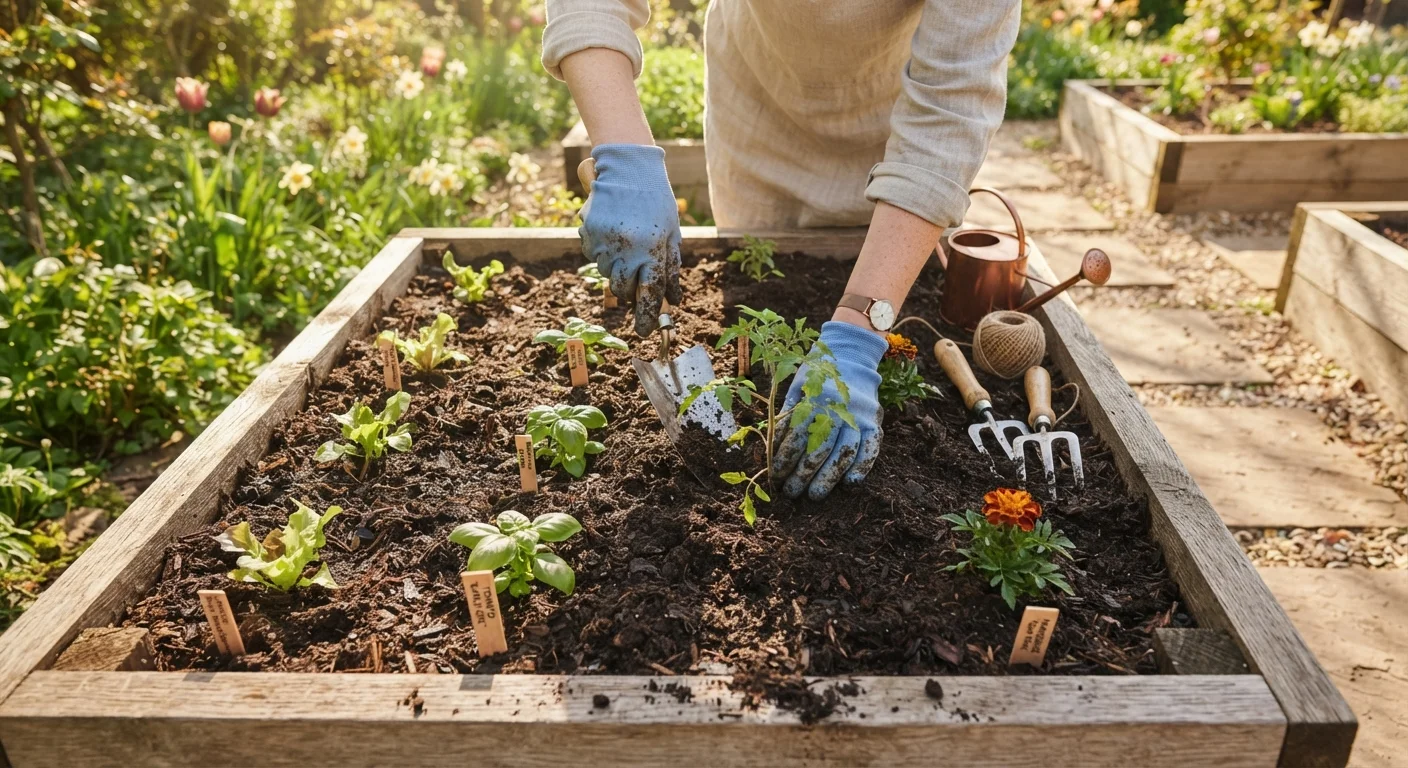
Key Takeaways
- Test your soil before adding any amendments to avoid guesswork and wasted product.
- Clean, sharp tools reduce plant disease risk and make spring tasks significantly easier.
- Clearing winter debris early prevents pest and fungal problems from carrying over.
- Knowing your last frost date is essential before putting any transplants in the ground.
- Mulching after planting locks in moisture and suppresses early-season weeds.
- A written plan for bed layouts saves time and reduces costly replanting mistakes.
Summary
22 items · 1-3 hours spread over a weekend
Why a Spring Readiness Checklist Pays Off
The difference between a garden that thrives and one that struggles often comes down to what you do - or don't do - before the first seeds go in. Spring preparation isn't about being overly cautious; it's about removing friction so that your plants have the best possible start.
This checklist walks you through every major task in the right order: assessing your soil, servicing your tools, clearing your beds, and timing your planting. Work through it at your own pace - most homeowners spread these tasks across a weekend or two once overnight temperatures begin to reliably stay above freezing.
If you're planning to grow vegetables for the first time this season, our beginner's guide to starting a vegetable garden pairs well with this checklist and covers site selection and crop choices in greater depth. For a broader view of what your yard needs all year long, the seasonal garden calendar gives month-by-month context around each task below.
Soil Assessment
Tool Inspection and Maintenance
Bed Cleanup and Preparation
Planting Planning
Mulching and Moisture Management
Tools, Materials, and What You'll Need
Before you step outside, gather the supplies listed below. Having everything on hand prevents the frustrating mid-task hardware store run and keeps momentum going when the weather cooperates.
Soil test kit or extension service mailer
Determines pH and nutrient levels so you can amend soil precisely rather than guessing.
Garden fork or tiller
Loosens compacted soil and works compost or amendments into bed depth.
Bypass pruners and garden shears
Cuts back perennial stems and removes dead growth cleanly without tearing plant tissue.
Garden hoe and spade
Used for weeding, edging beds, and turning soil in preparation for planting.
Compost or aged manure
Adds organic matter to improve soil structure, drainage, and nutrient availability.
Mulch (shredded bark, straw, or wood chips)
Suppresses weeds, retains moisture, and moderates soil temperature after planting.
Isopropyl alcohol (70%)
Sanitizes pruning and cutting tools between plants to prevent disease transmission.
Garden hose with adjustable nozzle
Provides controlled watering for newly planted seeds and transplants.
If you're expanding into containers this season, the container gardening guide covers the soil mixes and drainage setups that differ from in-ground beds. And once your beds are planted, visit our mulching guide to choose the right material and depth for lasting weed suppression.
Don't Work Soil When It's Too Wet
Tilling or walking on waterlogged soil compacts it and destroys the pore structure that roots need to thrive. To test, squeeze a handful of soil - if it forms a ball and doesn't crumble when poked, it's still too wet to work. Wait another day or two and retest before turning beds.
Avoid Adding Amendments Without a Soil Test
Adding fertilizer or lime without knowing your baseline can create nutrient imbalances that harm plants rather than help them. For example, over-liming raises pH past the range most vegetables prefer, locking out iron and manganese. A simple soil test takes the guesswork out of your amendment decisions.
Timing, Local Conditions, and Final Checks
No checklist replaces knowledge of your specific location. USDA Hardiness Zones and your county extension office's last-frost data are the two most reliable references for timing decisions. Even within the same zip code, microclimates - low spots, south-facing slopes, or areas near concrete - can shift your planting window by a week or more.
Walk your yard after a rainstorm before finalizing your bed layout. Puddles that linger more than an hour signal drainage problems worth addressing with soil amendment or raised beds before planting. Once you're satisfied with drainage and soil prep, you're ready to plant with confidence.
Frost Risk Can Linger Later Than Expected
Even when daytime temperatures feel warm, a late frost can kill tender transplants overnight. Always check your local last frost date before setting warm-season crops like tomatoes, peppers, or cucumbers outside permanently. If an unexpected frost is forecast, cover transplants with row fabric or bring containers indoors - a single cold night can undo weeks of growing.
This article provides general gardening guidance for informational purposes only. Local conditions, soil types, and climate vary significantly - always verify planting windows and amendment rates with your regional cooperative extension service before making significant changes to your garden.