
Annual Vet Visits vs. As-Needed Appointments: What Preventive Care Really Looks Like

Key Takeaways
- Annual wellness exams are recommended for most healthy adult dogs and cats by veterinary organizations.
- Puppies, kittens, and senior pets typically need more frequent visits than once a year.
- As-needed appointments are essential for illness or injury but should not replace scheduled preventive care.
- Early detection of conditions like dental disease, obesity, and organ changes is a primary benefit of routine exams.
- Pet owners play a critical role in monitoring health between scheduled visits.
Option A
Annual Preventive Vet Visits
The structured, proactive approach to long-term pet health.
Best for: Healthy adult pets whose owners want consistent baseline monitoring and early disease detection.
Option B
As-Needed Appointments
The reactive approach - seeking care only when a problem is apparent.
Best for: Supplementing scheduled care when unexpected symptoms, injuries, or urgent concerns arise.
If your pet is a healthy adult dog or cat
Annual Preventive Vet Visits
Once-a-year wellness exams provide baseline data, keep vaccinations current, and give vets a chance to detect gradual changes before they become serious problems.
If your pet is a puppy, kitten, or senior animal
Annual Preventive Vet Visits
These life stages require more frequent scheduled care - often every 3-6 months - to match their faster-changing health profiles and greater vulnerability.
If your pet shows sudden behavioral or physical changes
As-Needed Appointments
Unexpected symptoms - changes in appetite, limping, or unusual lethargy - warrant prompt veterinary attention rather than waiting for a scheduled exam.
If you want to minimize long-term veterinary costs
Annual Preventive Vet Visits
Conditions caught early - including dental disease or early organ dysfunction - tend to be less costly and complex to manage than those identified at an advanced stage.
What Each Approach Actually Involves
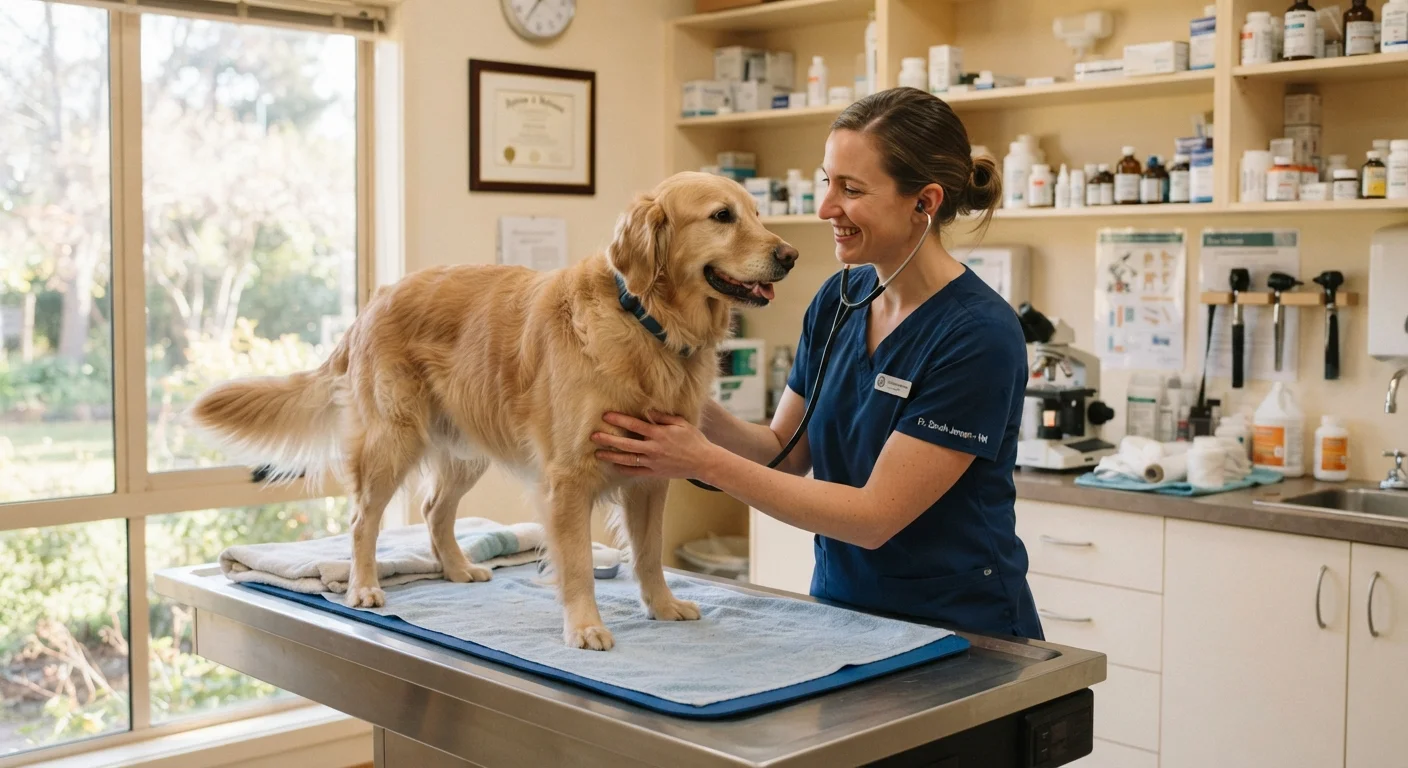
An annual preventive vet visit is a scheduled wellness examination - not triggered by any visible problem. During this visit, a veterinarian assesses your pet's weight, heart, lungs, teeth, eyes, skin, and joints. They may administer vaccines, recommend parasite prevention, and run baseline bloodwork or urinalysis depending on your pet's age. The goal is to establish a health baseline and identify gradual changes before symptoms appear.
An as-needed appointment, by contrast, is reactive. It occurs when an owner notices something wrong - a lump, persistent vomiting, labored breathing, or an injury. These visits are necessary and important, but they are not a substitute for routine monitoring. A pet can have early-stage dental disease, kidney changes, or a developing mass long before outward signs appear. Knowing which warning signs deserve prompt attention can help bridge the gap between scheduled exams.
| Criterion | Annual Preventive Visits | As-Needed Appointments |
|---|---|---|
| Purpose | Proactive monitoring and early detection | Reactive response to visible symptoms |
| Triggered by | Calendar schedule | Owner-observed illness or injury |
| Includes physical exam | Yes, comprehensive head-to-tail | Yes, but focused on presenting problem |
| Vaccine review | Yes, part of standard visit | Only if specifically requested |
| Baseline bloodwork | Often included for adults and seniors | Only if diagnostically indicated |
| Frequency for healthy adults | Once per year | Unpredictable; health-event driven |
| Ideal for senior pets | Every 6 months recommended | Supplementary, not standalone |
| Cost predictability | More predictable; plannable | Variable; can be higher acutely |
How Often Should Pets Actually Be Seen?
Most veterinary organizations recommend annual wellness exams for healthy adult dogs and cats. However, frequency should increase significantly at certain life stages.
- Puppies and kittens typically need visits every 3-4 weeks until about 16 weeks of age for initial vaccine series and parasite management.
- Healthy adult pets (ages 1-7 in dogs, 1-10 in cats) generally benefit from once-a-year exams.
- Senior pets - dogs over 7 and cats over 10 - are commonly recommended to visit twice yearly. Health monitoring for aging animals involves different benchmarks and a higher likelihood of conditions like arthritis, hyperthyroidism, and kidney disease.
These are general frameworks. Your veterinarian may recommend a different schedule based on your pet's individual health history, breed predispositions, and lifestyle factors such as outdoor exposure or multi-pet households.
Frequency Varies by Species and Lifestyle
The annual-visit standard applies primarily to dogs and cats. Other companion animals - rabbits, guinea pigs, birds, reptiles - may have different recommended exam schedules and fewer established consensus guidelines. If you have an exotic or less common pet, ask a veterinarian who specializes in that species about appropriate check-up frequency. Lifestyle factors such as outdoor access, contact with other animals, and geographic region can also influence how often certain screenings are appropriate.
What Preventive Visits Actually Catch
One of the most compelling reasons to maintain scheduled visits is that many common pet health conditions develop silently. Dental disease affects a significant portion of dogs and cats over age three, yet it is often painless until advanced. Organ changes associated with kidney or liver conditions can be identified through bloodwork before clinical signs emerge. Weight gain - a risk factor for diabetes, joint disease, and other conditions - is easier to address early.
Veterinarians also use annual visits to reassess parasite prevention needs, which can shift based on seasonal exposure and geographic risk. Parasite threats vary by region and season, making routine reassessment worthwhile even for indoor pets.
Vaccine needs are another consideration. Canine and feline immunization schedules differ by species, age, and lifestyle, and an annual visit ensures your pet stays appropriately protected without unnecessary duplication.
What Owners Can Do Between Visits
Preventive care is not limited to the veterinary clinic. The time between scheduled appointments is where owner observation becomes essential. Subtle changes in water consumption, appetite, coat quality, bathroom habits, or energy level can be early signals worth discussing with a vet.
Keeping a simple health log at home can help your vet spot patterns across visits and gives you a clearer picture of what is normal for your individual animal. Many owners are also surprised how much everyday care tasks like dental hygiene and nail checks contribute to long-term health outcomes.
A structured monthly at-home wellness check - examining skin, teeth, ears, and weight - can help flag concerns early enough to address at a routine appointment rather than requiring an urgent visit.
This article provides general pet health information and education. It is not a substitute for professional veterinary advice. Always consult a licensed veterinarian for guidance specific to your pet's health needs.