

Key Takeaways
- Calorie needs generally decline with age, while needs for certain nutrients - like calcium and vitamin B12 - often increase.
- Building strong dietary habits in your 20s and 30s creates a protective foundation for later decades.
- Muscle mass preservation becomes a central nutritional concern starting in your 40s and intensifies with each passing decade.
- Hormonal changes in midlife affect how the body absorbs and uses key nutrients like iron, vitamin D, and folate.
- A healthcare provider or registered dietitian can help tailor these general principles to your individual health picture.
Why Nutritional Needs Change With Age
The human body is not a static machine. Hormonal output, digestive efficiency, metabolic rate, and cellular function all shift over time - and those biological changes directly affect how much of each nutrient the body requires and how well it absorbs them from food.
For example, gastric acid production tends to decrease with age, which can impair absorption of vitamin B12, calcium, and iron. Skin's ability to synthesize vitamin D from sunlight also declines. Muscle tissue naturally diminishes in a process called sarcopenia (age-related muscle loss), altering protein requirements. Meanwhile, total calorie needs often fall because resting metabolic rate slows - yet the need for many micronutrients stays the same or rises, creating what nutritionists sometimes call a "nutrient density imperative."
Understanding these shifts isn't cause for alarm - it's an opportunity to eat more intentionally at every stage of life.
~1%
Annual muscle loss starting in your 30s-40s
Research published in the Journal of Cachexia, Sarcopenia and Muscle estimates adults lose approximately 1% of muscle mass per year beginning in midlife without intervention.
40%
Adults over 50 at risk of vitamin B12 insufficiency
The National Health and Nutrition Examination Survey (NHANES) has indicated that a substantial proportion of older adults have marginal or low vitamin B12 status, often linked to reduced gastric acid production.
90%
Americans not meeting recommended vegetable intake
According to the Dietary Guidelines for Americans, the vast majority of U.S. adults fall short of recommended vegetable and fruit consumption across all age groups.
Your 20s: Building a Foundation
The twenties are often characterized by irregular eating habits, high stress, and limited cooking experience - but biologically, this decade is when bone density peaks (typically around age 25-30) and when establishing dietary patterns has the longest payoff horizon.
Key priorities in your 20s
- Calcium and vitamin D: The body is still depositing calcium into bone tissue during the early twenties. Dairy products, fortified plant milks, leafy greens, and fatty fish support this process alongside adequate vitamin D.
- Iron: Menstruating individuals have meaningfully higher iron needs. Lean red meat, lentils, spinach paired with vitamin C, and fortified cereals are reliable sources.
- Folate: Particularly important for people who may become pregnant - adequate folate before and during early pregnancy is critical for fetal neural tube development.
- Fiber: Establishing a high-fiber diet early supports gut microbiome diversity and long-term cardiovascular health.
Learning to read a nutrition label effectively is a practical skill that pays dividends well beyond this decade.
Think of your 20s as the decade to build dietary habits, not just eat for energy. The patterns you establish now - frequency of vegetables, breakfast consistency, hydration - tend to persist and compound for decades.
Behavioral nutrition research consistently shows that dietary habits formed in early adulthood are among the most persistent, making this a high-leverage window for change.
When evaluating your protein intake in your 40s and beyond, don't just track total daily grams - consider distribution. Aiming for a meaningful protein source at every meal supports muscle protein synthesis more effectively than a protein-heavy dinner alone.
Studies on muscle protein synthesis suggest that even distribution of protein across three to four daily eating occasions is more effective for muscle maintenance than a skewed pattern.
Your 30s: Maintaining Momentum
Career demands, family responsibilities, and reduced sleep can make nutrition feel like a lower priority in the thirties - yet this is precisely when consistent dietary habits become harder to change and more consequential.
Key priorities in your 30s
- Protein quality: Resting metabolic rate begins a gradual decline; adequate lean protein from poultry, fish, legumes, and eggs helps preserve muscle and supports satiety.
- Antioxidants: Oxidative stress accumulates over time. A diet rich in colorful vegetables, berries, and nuts supplies antioxidants like vitamins C and E and polyphenols.
- Omega-3 fatty acids: Found in fatty fish, walnuts, and flaxseed, omega-3s support cardiovascular and cognitive health - two areas where lifestyle choices made now have measurable long-term effects.
- Continued bone support: Calcium and vitamin D remain important even as bone density stabilizes.
A nutritionally sound grocery list built around whole foods makes meeting these targets more consistent than relying on willpower alone.
Your 40s: Adapting to Metabolic Shifts
The forties bring more pronounced metabolic change. Resting calorie expenditure continues to fall, hormonal fluctuations begin for many (particularly perimenopause), and the early stages of age-related muscle loss can become apparent without targeted dietary effort.
Key priorities in your 40s
- Protein - increased emphasis: Research published by the American Journal of Clinical Nutrition and others suggests that adults over 40 may benefit from distributing protein evenly across meals to optimize muscle protein synthesis, rather than concentrating it at dinner.
- Magnesium: Involved in over 300 enzymatic reactions, magnesium supports sleep quality, blood sugar regulation, and cardiovascular function. Many Americans fall short; whole grains, nuts, seeds, and dark leafy greens are good sources.
- Reduced refined carbohydrates: As insulin sensitivity can shift in midlife, emphasizing complex carbohydrates - legumes, oats, vegetables - over added sugars supports stable energy and metabolic health.
- Iron recalibration for some: After menopause, iron requirements drop significantly for those who previously menstruated. A clinician can clarify individual needs.
Your 50s and Beyond: Protecting What You've Built
After 50, the stakes of nutritional gaps rise - not because good nutrition is out of reach, but because the body's reserves and compensatory mechanisms are thinner. The goal shifts from building to preserving and protecting.
Key priorities in your 50s and beyond
- Vitamin B12: Absorption declines due to reduced gastric acid. The National Institutes of Health notes that adults over 50 are advised to get most of their B12 from fortified foods or supplements, as the crystalline form bypasses the need for intrinsic factor. A clinician can assess blood levels.
- Calcium and vitamin D (continued): Bone density loss accelerates post-menopause and with aging more broadly. Dietary sources remain important, and a healthcare provider may assess whether supplementation is appropriate.
- Protein remains critical: Sarcopenia accelerates after 60; evidence consistently supports higher protein intake - from food sources - combined with resistance activity for preserving functional muscle. See our companion guide on staying active across decades.
- Hydration awareness: The thirst sensation diminishes with age, increasing dehydration risk. Consistent, deliberate fluid intake - primarily water - supports kidney function, digestion, and cognitive clarity.
- Reduced sodium: Blood pressure tends to rise with age; limiting sodium from processed foods is one of the most evidence-backed dietary levers for cardiovascular health.
This article is for general informational purposes only and is not a substitute for medical or nutritional advice from a qualified professional. Consult your healthcare provider or a registered dietitian before making significant dietary changes, especially if you have an existing health condition.
Nutrition Principles That Hold Across Every Decade
While specific nutrient priorities shift, several evidence-backed patterns remain consistently protective across the lifespan:
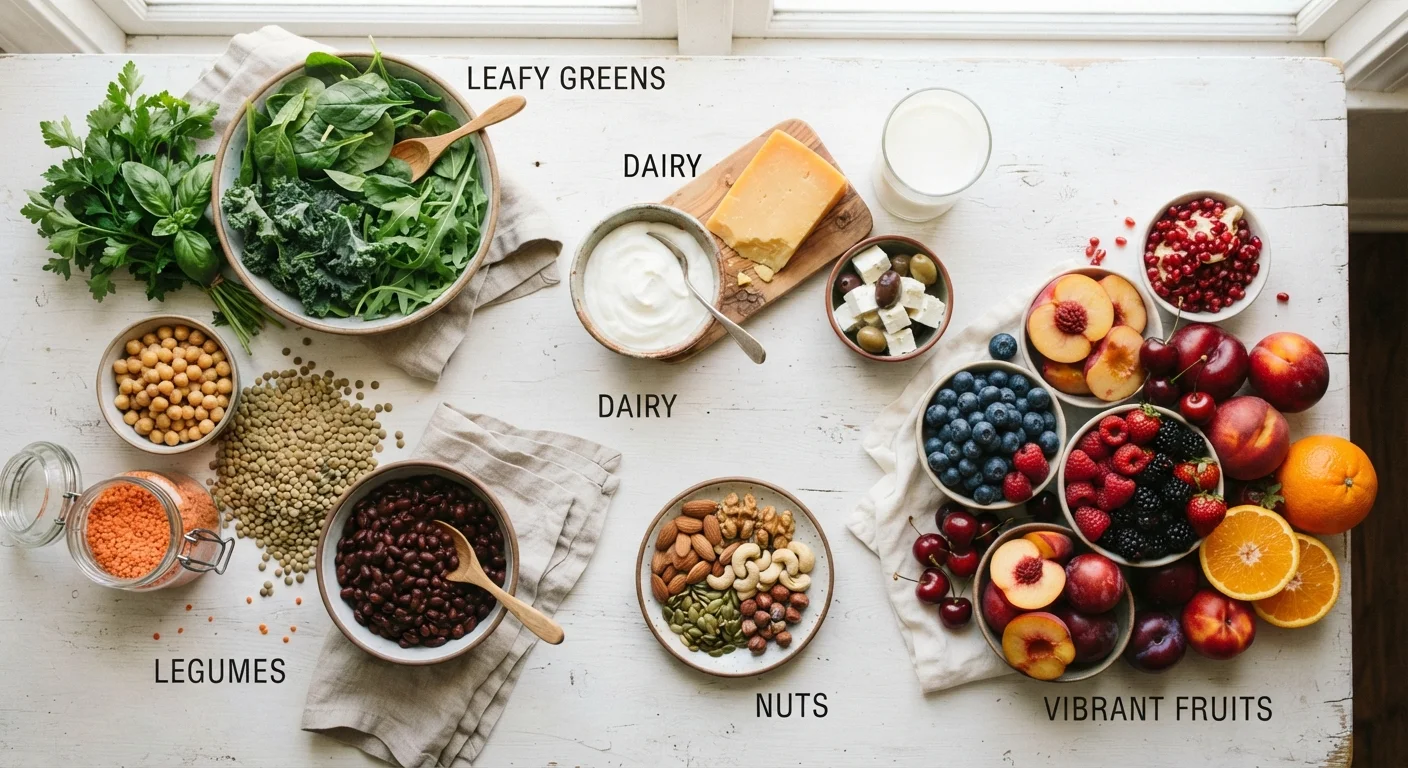
- Whole-food variety: No single food delivers everything. A wide range of vegetables, fruits, legumes, whole grains, quality proteins, and healthy fats covers the broadest micronutrient spectrum.
- Calorie quality over quantity: As total calorie needs fall, every meal carries more nutritional weight. Prioritizing nutrient-dense foods over low-nutrient, high-calorie options becomes increasingly important.
- Consistent meal patterns: Irregular eating is associated with poorer metabolic outcomes across age groups. Regular, balanced meals support stable energy and appetite regulation.
- Professional guidance: A registered dietitian (RD) or your primary care physician is the right partner for personalizing these principles - particularly if you manage chronic conditions, take medications, or have absorption concerns.
Just as a high-mileage vehicle requires more targeted maintenance to stay reliable - similar to the way we explain in our discussion of how car needs shift with mileage - the aging body benefits from more deliberate, attentive nutritional care. Awareness, not anxiety, is the right starting point.