

Key Takeaways
- Plant-based eating exists on a spectrum - it doesn't require eliminating all animal products overnight.
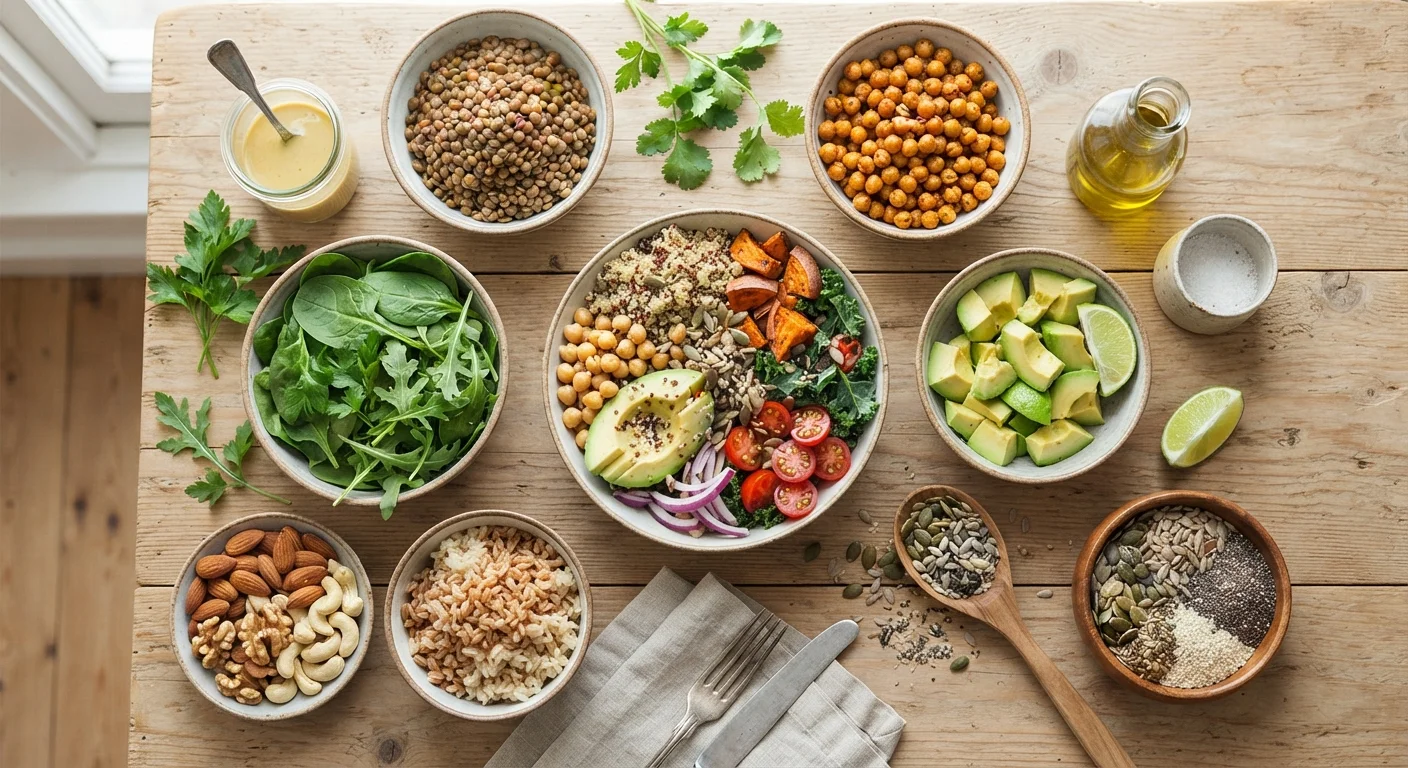
- Legumes, whole grains, vegetables, fruits, nuts, and seeds form the nutritional backbone of a plant-forward diet.
- Vitamin B12, iron, calcium, zinc, and omega-3 fatty acids are nutrients that may need closer attention.
- Gradual, sustainable shifts tend to be more effective than all-or-nothing approaches.
- Consulting a registered dietitian is especially valuable for managing specific health conditions on a plant-based diet.
Start here
What 'Plant-Based' Actually Means
Next
The Core Building Blocks of a Plant-Forward Diet
Important
Nutrient Gaps to Watch
Take action
Getting Started Realistically
Check your thinking
Common Misconceptions
What 'Plant-Based' Actually Means
The term plant-based gets used loosely, so it helps to start with a clear definition. In its broadest sense, plant-based eating means structuring the majority of your diet around foods that come from plants - vegetables, fruits, legumes, whole grains, nuts, and seeds - rather than animal products.
This exists on a spectrum. At one end sits veganism, which excludes all animal-derived foods. At the other end, a flexitarian approach simply means eating more plants while occasionally including meat, dairy, or eggs. In between sit vegetarian and pescatarian patterns, each with different boundaries.
What these approaches share is an emphasis on whole, minimally processed plant foods as the foundation of daily eating. Choosing one point on this spectrum - rather than feeling you must commit to the most restrictive version - is a practical and evidence-supported way to start.
Plant-based diet
An eating pattern that prioritizes foods derived from plants - such as vegetables, fruits, grains, legumes, nuts, and seeds - as the main source of nutrition.
Flexitarian
A mostly plant-based approach that still includes occasional meat or animal products, without strict rules about frequency or quantity.
Non-heme iron
The form of iron found in plant foods, which the body absorbs less readily than the heme iron found in meat. Pairing it with vitamin C can improve absorption.
Phytonutrients
Naturally occurring compounds in plant foods - such as flavonoids and carotenoids - that are associated with various health-supporting functions in the body.
Whole-food plant-based (WFPB)
A specific style of plant-based eating that emphasizes minimally processed plant foods and limits refined oils, added sugars, and packaged convenience items.
Fortified food
A food to which specific nutrients have been added during manufacturing - for example, plant milks fortified with calcium and vitamin D.
The Core Building Blocks of a Plant-Forward Diet
A nutritionally sound plant-based diet is built from several food categories working together:
- Legumes (beans, lentils, chickpeas, peas) - primary protein and fiber sources
- Whole grains (oats, brown rice, quinoa, barley, farro) - sustained energy and additional protein
- Vegetables - across colors and varieties for vitamins, minerals, and phytonutrients
- Fruits - natural sugars alongside fiber, vitamins, and antioxidants
- Nuts and seeds - healthy fats, protein, and micronutrients
Variety is the operative word. No single plant food provides every essential nutrient, so the goal is broad diversity across all of these categories throughout the week. For more on how grain choices affect nutrition specifically, our article on whole grains versus refined grains explains how processing changes fiber and blood sugar response.
If you're already cooking at home regularly, pairing this with a nutritionally sound grocery list can help make plant-forward shopping more systematic.
Nutrient Gaps to Watch
Plant-based diets can absolutely meet most nutritional needs, but certain nutrients deserve deliberate attention - particularly as animal products are reduced or eliminated.
- Vitamin B12
- Found almost exclusively in animal foods. Those eating fully vegan diets generally need a reliable supplement or fortified foods. This is not optional - B12 deficiency has serious neurological consequences.
- Iron
- Plant foods contain non-heme iron, which is absorbed less efficiently than the heme iron in meat. Pairing iron-rich foods (lentils, fortified cereals, pumpkin seeds) with vitamin C sources improves absorption.
- Calcium
- Dairy is a common calcium source, but leafy greens like kale and bok choy, fortified plant milks, and tofu made with calcium sulfate are solid alternatives.
- Omega-3 fatty acids
- Fatty fish are a direct source of EPA and DHA. Plant foods like flaxseed and walnuts provide ALA, a precursor the body converts at a limited rate. Algae-based omega-3 supplements are an option for those avoiding fish entirely.
- Zinc and iodine
- Both can be lower in plant-only diets. Iodized salt and seaweed are plant-accessible iodine sources; pumpkin seeds and legumes contribute zinc.
Pair Iron-Rich Foods With Vitamin C
Absorption of plant-based (non-heme) iron is meaningfully improved when eaten alongside vitamin C. Practical examples include squeezing lemon juice over lentil soup, adding bell peppers to bean dishes, or eating a small portion of fruit alongside iron-rich meals.
If you have an existing health condition or are considering significant dietary changes, working with a registered dietitian is strongly advised. General information does not substitute for personalized guidance.
Getting Started Realistically
The most common barrier to plant-based eating isn't knowledge - it's inertia. Starting with structural changes rather than food-by-food swaps tends to be more durable.
- Add before you subtract. Rather than immediately removing foods, focus first on adding more plant foods to meals you already make. More beans in soups, more vegetables in pasta sauces, a handful of seeds on your salad.
- Build around a few reliable meals. Identify three or four plant-forward dinners you genuinely enjoy and cook them on rotation. Consistency beats variety when you're building new habits.
- Batch-cook staples. A pot of lentils or a tray of roasted vegetables at the start of the week reduces the daily decision load significantly.
- Plan before you shop. Knowing what meals you're making before you buy prevents waste and keeps spending in check. Our guide to meal planning that fits a real week covers practical scheduling strategies.
Growing some of your own produce can also deepen your connection to plant foods. If that interests you, starting a vegetable garden from scratch offers a thorough beginner's introduction.
Common Misconceptions
A few persistent myths can create unnecessary barriers for people curious about plant-based eating:
- "Plant-based means salads only." Not remotely true. Curries, stews, grain bowls, stir-fries, and pasta dishes all translate seamlessly to plant-forward formats.
- "You can't build muscle without meat." Research does not support this claim. Adequate total protein - achievable through legumes, tofu, tempeh, and grains - supports muscle synthesis. For a detailed comparison, see our article on protein sources across dietary patterns.
- "All plant-based food is healthy." Highly processed plant-based products - including many packaged meat alternatives - can be high in sodium, saturated fat, or refined starches. Whole foods remain the nutritional gold standard.
- "It's all or nothing." Even modest increases in plant food consumption - like one or two more plant-centered meals per week - are associated with measurable health benefits in population research. Gradual progress counts.
Don't Skip B12 if You're Going Fully Vegan
Vitamin B12 is not reliably available from any unfortified plant food. Long-term deficiency can cause irreversible neurological damage. If you are moving toward or already eating a fully vegan diet, speak with a healthcare provider about the right approach to B12 - whether through fortified foods or supplements.
This article is for general informational and educational purposes only. It is not medical or dietary advice. Consult a qualified healthcare professional or registered dietitian before making significant changes to your diet, particularly if you have an existing health condition or specific nutritional needs.