

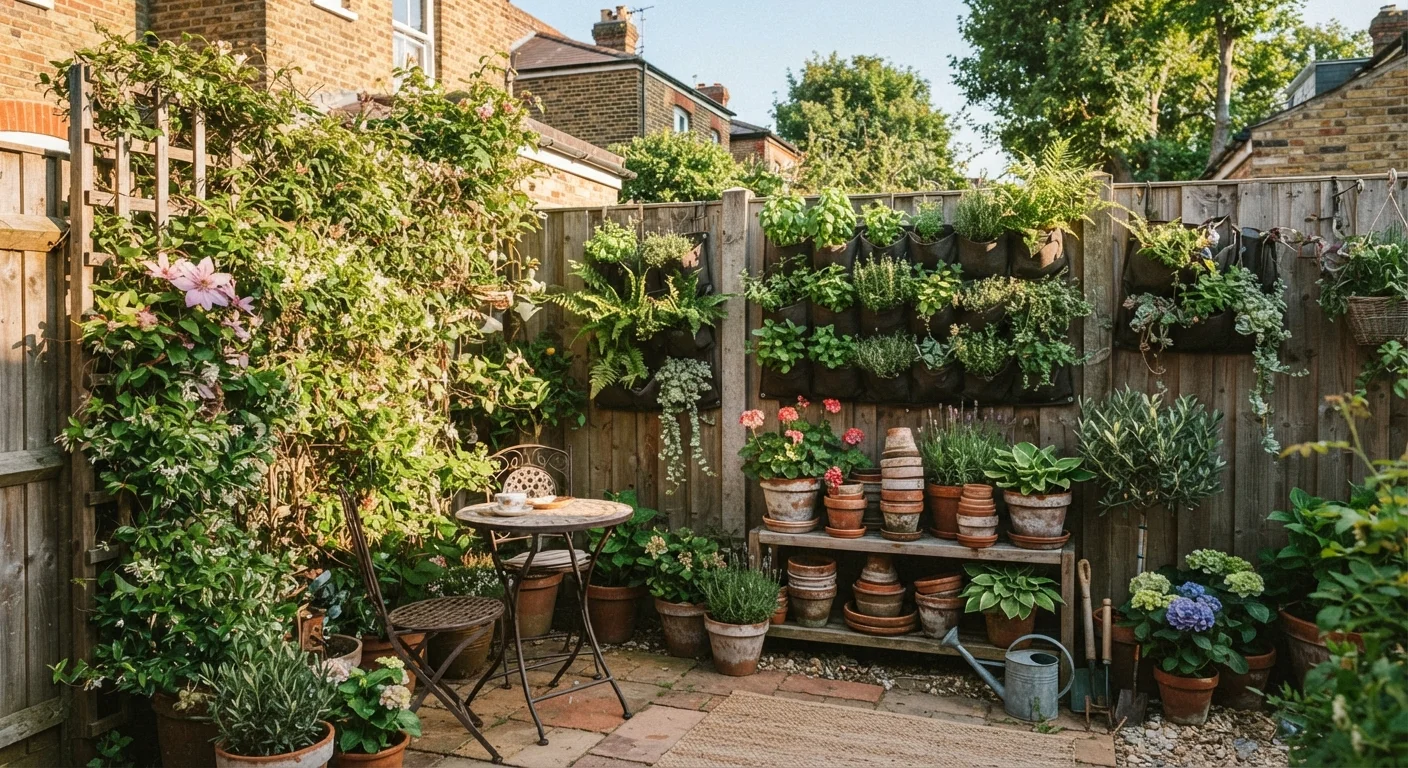
Key Takeaways
- Vertical gardening lets small yards gain significant planting area without expanding the ground footprint.
- Structural supports like trellises and wall-mounted planters can double as privacy screens and design features.
- Matching plants to sun exposure, weight limits, and irrigation needs is essential for long-term success.
- Many vertical approaches work equally well for ornamental plants, edibles, and pollinator-friendly species.
- Local building codes may apply to permanent structures - check before anchoring anything to shared fences or walls.
Why Think Upward in a Compact Yard?
Limited square footage doesn't have to mean limited greenery. When ground space runs short, the vertical plane - fences, walls, pergola posts, and even railings - becomes prime real estate for plants, structure, and seasonal color. Homeowners across the country are rethinking the z-axis of their yards, layering plants at multiple heights to create depth, privacy, and productivity without expanding their footprint by a single square foot.
Vertical gardening approaches also complement thoughtful outdoor design. If you're working toward an outdoor area that flows naturally from your interior spaces, layered greenery adds texture and enclosure that makes a small yard feel curated rather than cramped. See our guide to designing outdoor spaces for principles that pair well with these techniques.
Below are seven practical approaches homeowners are using right now - each adaptable to different climates, budgets, and skill levels.
Trellised Climbers Along Fences and Walls
A lattice panel, wire grid, or simple wooden trellis anchored to an existing fence or exterior wall gives climbing plants a framework to ascend. Vines like clematis, climbing roses, and annual morning glories can cover several vertical feet with minimal horizontal spread. For edible gardens, pole beans and cucumbers trained onto a trellis take up a fraction of the ground space of their sprawling relatives.
Before anchoring a trellis to a shared fence, confirm property ownership and check any homeowner association guidelines. Permanent wall fixings may also require verifying that the wall surface can bear the eventual weight of a mature, wet-foliage plant load.
A single trellis panel can support climbers reaching six to eight feet without using additional ground area.
Wall-Mounted Pocket Planters
Fabric or molded pocket planters attach directly to a fence or exterior wall surface, creating a grid of individual planting cells. These work especially well for shallow-rooted plants: lettuces, herbs, strawberries, and trailing succulents all perform reliably in pocket systems. Because each cell holds a small soil volume, watering frequency increases - a drip irrigation line threaded along the top of the panel can automate this considerably.
Weight is a genuine engineering consideration. A fully saturated pocket panel can be surprisingly heavy. Most residential wood fences are not engineered to support large installations; consult a contractor or use purpose-built freestanding pocket frames when in doubt.
Pocket planters turn a bare fence into a productive herb or salad wall with minimal structural modification.
Stacked and Tiered Planter Towers
Tiered planter towers - either purpose-made vertical columns or DIY stacks of incrementally sized containers - allow multiple plants to occupy the footprint of a single pot. Strawberries are the classic choice because they spread laterally into each tier's lip, but compact herbs, pansies, and even dwarf peppers adapt well. The key is ensuring drainage flows from tier to tier without waterlogging lower levels, which typically requires a central drainage column or deliberate pot-to-pot offset.
A four-tier planter tower can house a dozen plants in the space a single large pot would normally occupy.
Pergolas and Overhead Structures with Climbing Coverage
When a pergola, arbor, or shade sail frame already exists in a small yard, its posts and crossbeams offer vertical and overhead planting opportunities. Wisteria, grapevines, and hardy kiwi are popular choices for overhead coverage, creating dappled shade while maximizing the airspace above a patio. These plants are typically long-lived commitments - some can bear significant structural weight as they mature - so the supporting framework should be built to code and inspected periodically.
Overhead green structures also have the practical benefit of reducing reflected heat from paving, which can make a small paved yard meaningfully more comfortable during summer months in warmer US regions.
Training a grapevine or wisteria over a pergola converts an overhead structure into a living, productive canopy.
Vertical Herb and Edible Gardens on Railings
Deck and balcony railings are often underused vertical surfaces. Railing-mounted planters - boxes that straddle the rail - put herbs, lettuces, and compact edibles at a convenient harvest height without consuming deck floor space. Because these planters are accessible from both sides, they're practical for anyone managing a high-traffic outdoor area where ground planters would be in the way.
For those already exploring container gardening, railing planters represent a natural extension of the same principles - soil, drainage, sun exposure, and watering cadence all apply equally. Container gardening fundamentals translate directly to this format.
Railing-mounted herb planters keep fresh ingredients within arm's reach without using any deck floor space.
Living Privacy Screens with Columnar Plants
Some homeowners achieve vertical impact not through built structures but through plant selection. Columnar or fastigiate plant varieties - Italian cypress, columnar apple trees, bamboo clumps in contained pots - grow tall and narrow, providing screening and green presence with a minimal ground footprint. A row of columnar trees in large containers along a property line can create privacy comparable to a fence while remaining movable and visually dynamic across seasons.
If native plant species are a priority, many regional nurseries carry columnar or upright native cultivars suited to local soil and climate conditions. Choosing native plants can reduce long-term maintenance demands while supporting local pollinators.
Columnar plants deliver privacy and vertical greenery without permanent construction or significant ground coverage.
Espaliered Trees and Shrubs Against Walls
Espalier is the centuries-old practice of training a tree or large shrub to grow flat against a wall in a two-dimensional pattern. An espaliered apple, pear, or fig tree can produce fruit while occupying as little as 18 inches of depth from the wall - ideal for narrow side yards or fence lines where a standard tree crown would be impractical. The training process requires consistent seasonal pruning and initial patience, but the results are both productive and visually striking.
South- or west-facing masonry walls are particularly effective espalier sites in most US climates because the wall absorbs and radiates heat, extending the growing season slightly for fruit-bearing varieties.
An espaliered fruit tree can yield a full harvest from a wall space barely wider than a doorframe.
Putting It All Together
The most successful small-yard vertical gardens combine two or three of these approaches rather than attempting all of them at once. Start with the structure that solves your most pressing problem - privacy, produce, or aesthetics - and layer in additional elements as your confidence and budget allow.
Start Small and Assess Load Limits
Before installing any wall-mounted or fence-mounted vertical system, assess what the surface can realistically support when fully planted and watered. A lightweight pocket panel or single trellis is a low-risk starting point that lets you observe sun patterns, drainage behavior, and plant performance before committing to a larger installation. Scaling up gradually reduces the risk of overloading a surface or choosing the wrong approach for your specific microclimate.
Soil quality matters just as much vertically as it does at ground level. Many vertical containers have limited volume, so a well-amended, moisture-retentive mix pays dividends. Our container gardening guide covers soil mixes, drainage, and plant selection in detail. And if you're deciding between raised beds and in-ground planting for the base layer of your yard, comparing those two approaches can help you allocate ground space more strategically before going vertical.