

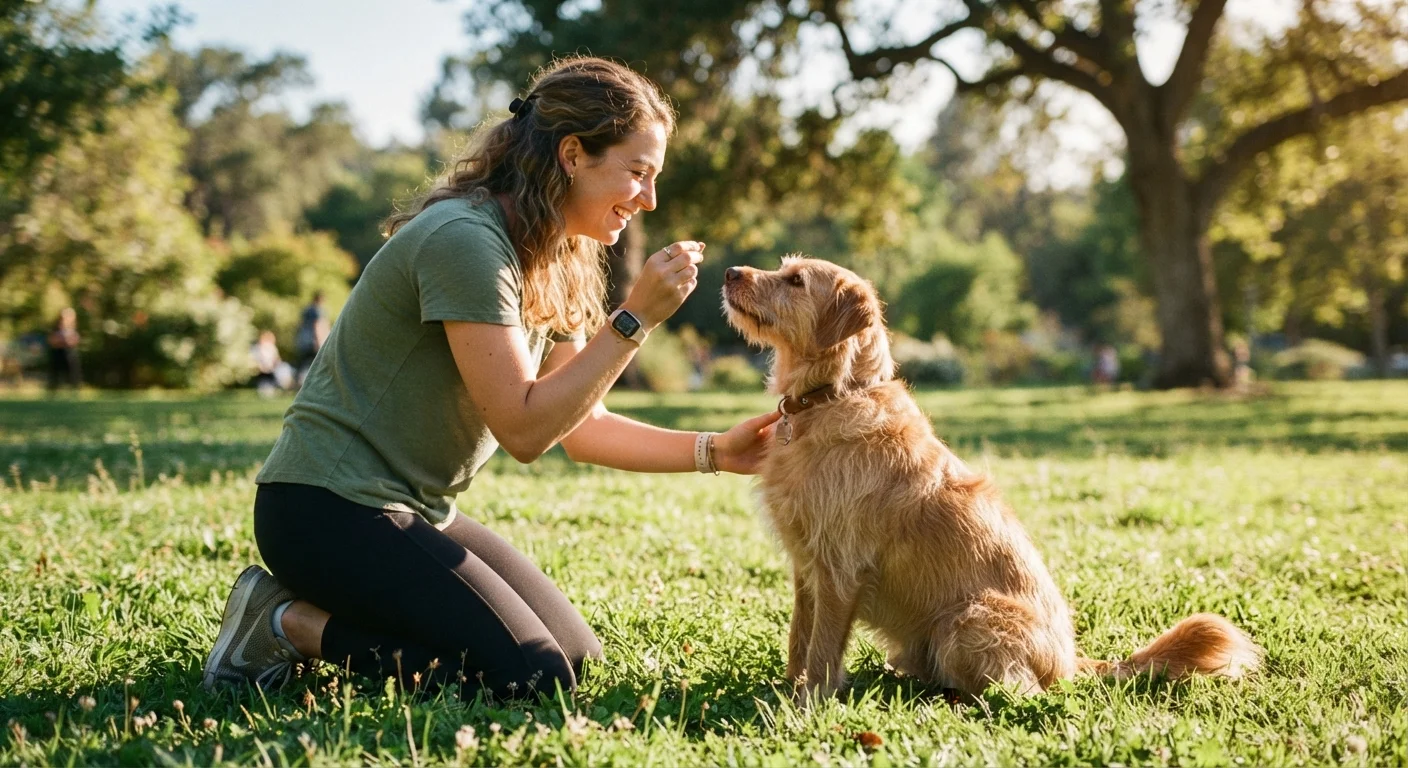
Key Takeaways
- Sit, stay, and come are the three commands that form the foundation of all other obedience training.
- Short, frequent training sessions of five to ten minutes produce faster results than long, infrequent ones.
- Positive reinforcement - rewarding the behavior you want - is the most effective and humane teaching method.
- Each command should be introduced individually before being practiced in distracting environments.
- Consistency in your cue word and reward timing is critical to clear communication with your dog.
What you will need
Why These Three Commands Matter Most
Sit, stay, and come are considered foundational not because they are the easiest commands to teach, but because they appear in almost every real-world situation a dog owner encounters - at the front door, at the vet, in a park, or during an off-leash emergency. A reliable recall alone can prevent serious accidents. These commands also establish a communication framework between dog and owner that makes learning everything else - from loose-leash walking to polite greetings - significantly easier.
Positive reinforcement training, which rewards desired behaviors rather than punishing unwanted ones, is supported by a strong body of animal behavior research and is endorsed by major veterinary and animal welfare organizations. Dogs trained with reward-based methods generally show lower stress and better long-term retention than those trained through corrections or force. If you are exploring how to signal correct behaviors efficiently, see our comparison of clicker training vs. verbal marker training for practical guidance.
What you will need
What You'll Need Before You Start
Preparation makes a meaningful difference in how quickly your dog learns. Training works best in short, focused sessions - five to ten minutes is typically the right length for most dogs before attention begins to fade. Anything longer can lead to frustration on both sides.
High-Value Training Treats
Small, soft, fast-to-eat rewards that reinforce correct behavior immediately after it occurs.
Six-Foot Training Leash
Provides a safe, controlled distance for practicing the 'come' recall command.
Clicker or Verbal Marker
Marks the exact moment a correct behavior happens, bridging the gap between the behavior and the reward.
Treat Pouch
Keeps treats accessible at all times so rewards can be delivered quickly and without fumbling.
If you've just brought a dog home, consider pairing this training plan with the broader milestones covered in our first-month training roadmap to keep progress organized and realistic.
Step-by-Step Training Instructions
Work through these steps in order, spending as many sessions as needed on each before advancing. There is no set timeline - some dogs progress quickly while others need more repetitions, and both are normal. Consistent daily practice matters far more than speed.
Introduce the sit cue using a lure
Hold a small treat between your thumb and forefinger close to your dog's nose. Slowly move your hand upward and slightly back over your dog's head. As the nose follows the treat upward, the hindquarters will naturally lower to the ground. The instant the dog's bottom touches the floor, say "Sit" clearly and deliver the treat.
Repeat this five to eight times per session. Once the dog is sitting reliably with the lure, begin saying "Sit" just before the hand motion, then fade the hand motion over several sessions.
Build duration with the stay cue
Ask your dog to sit. Once seated, open your palm toward the dog like a stop signal and say "Stay" in a calm, steady voice. Wait just one to two seconds, then reward while the dog is still in position - not after they've moved.
Gradually increase the duration in small increments: two seconds, then five, then ten. Practice three variables separately - duration (how long), distance (how far you step away), and distraction (what's happening nearby). Increase only one variable at a time to avoid overwhelming your dog.
Teach the come recall on a leash
Attach a six-foot leash and let your dog wander a short distance. Crouch down slightly, open your arms, and say your dog's name followed by "Come" in an upbeat, inviting tone. Gently guide the leash toward you if needed, but avoid yanking.
When the dog reaches you, reward enthusiastically with a treat and praise. Make arriving at you the best thing that happens in the dog's day - coming to you should never be followed immediately by something unpleasant like the end of playtime.
Practice each command in new environments
Once your dog performs each command reliably in a quiet room, begin practicing in gradually busier settings - a hallway, the backyard, a quiet sidewalk. Each new environment essentially resets the difficulty level, so start with low expectations and reward generously for success.
Consistent practice across multiple locations is what turns a behavior learned in one context into a truly reliable, generalizable command.
Chain the commands together in short sequences
Once all three commands are solid individually, practice short sequences: ask for a sit, then a stay, then call your dog to come. Keep these sequences brief and end every session on a successful repetition so both you and your dog finish on a positive note.
These chains reinforce your dog's understanding that commands are reliable communication tools - not just tricks for treats - and lay the groundwork for more advanced obedience skills.
If your dog is already struggling specifically with the recall command, the issue is often rooted in specific training patterns rather than stubbornness. Our in-depth article on why dogs ignore the come command can help you identify and correct those patterns.
Common Pitfalls and How to Avoid Them
One of the most frequent mistakes owners make is repeating the cue word when the dog doesn't respond immediately - saying "Sit, sit, sit" teaches the dog that the first cue is optional. Say the cue once, help the dog into position if needed, then reward. Over time, the single cue becomes reliable.
Another common error is calling a dog to come and then doing something the dog dislikes - bathing, nail trims, or ending a play session abruptly. This trains the dog to avoid coming when called. Always make the arrival positive, even if something less enjoyable follows moments later.
Keep Every Session Short and Positive
Most dogs learn best in sessions of five to ten minutes, repeated two or three times a day. Ending while your dog is still engaged and succeeding - rather than waiting until they lose interest - builds a positive association with training time. Dogs who enjoy training sessions tend to be more attentive and responsive over the long run.
For a broader look at everyday pet care routines that support good behavior, the Pet Care Basics hub offers practical guidance across all aspects of ownership.