

Key Takeaways
- Off-season timing is destination-specific - there is no single global off-season.
- Lower demand periods often bring quieter crowds but may also mean closures, reduced services, or difficult weather.
- Shoulder season - the window between peak and off-season - frequently offers a practical middle ground.
- Climate, local holidays, and school calendars all shape when a destination's peak and off periods fall.
- Verifying what's actually open and accessible during your travel window prevents unpleasant surprises.
Off-Season Travel
"Off-season" refers to the period when a destination sees significantly fewer visitors compared to its peak travel window. It's defined differently for every place - driven by weather patterns, local events, school calendars, and cultural rhythms rather than a universal calendar. Traveling off-season often means quieter attractions and shifted pricing, but it also comes with real trade-offs.
Destination management organizations and hospitality industries typically segment travel periods into three bands: peak season, shoulder season, and low (or off) season - each reflecting distinct demand curves.
Why 'Off-Season' Doesn't Mean the Same Thing Everywhere
Ask a traveler when the off-season is, and they'll give you a confident answer - probably wrong for at least half the places they have in mind. The concept sounds universal, but it's radically destination-specific. A beach town in Florida considers summer its peak; a ski resort in Colorado calls it their sleepiest stretch. Paris is crowded year-round with different peaks in summer and December. There is no master calendar.
What drives a destination's seasonal rhythm? Four main forces: climate, school and public holidays, cultural events, and geography. A Caribbean island's off-season overlaps with hurricane season - lower demand, but a real weather trade-off. Southeast Asian destinations like Thailand experience reduced tourist flow during monsoon months, which vary by region within the country. The Rocky Mountains fill with leaf-peepers in fall and empty considerably by November, before ski season revives them.
Understanding this means doing destination-specific homework rather than relying on vague seasonal assumptions. Climate, crowds, and cost patterns vary sharply by region - drilling into those specifics before booking is time well spent.
What Travelers Actually Encounter in Low Season
Off-season travel isn't simply peak travel with thinner crowds. The experience can shift meaningfully in ways that are sometimes wonderful, sometimes frustrating.
~30-50%
Typical visitor volume drop in low season
Tourism researchers generally estimate that popular destinations see visitor numbers fall by roughly 30-50% during their low season compared to peak periods, though this varies widely by location.
3
Core seasonal bands used by tourism planners
Destination management organizations broadly segment travel demand into peak, shoulder, and low (off) seasons to guide infrastructure and hospitality planning.
What tends to improve: Iconic sites feel more accessible when visitor numbers drop. Museum galleries are navigable. Restaurants have open tables. The transactional pressure of high-season tourism eases, and interactions with locals can feel more genuine.
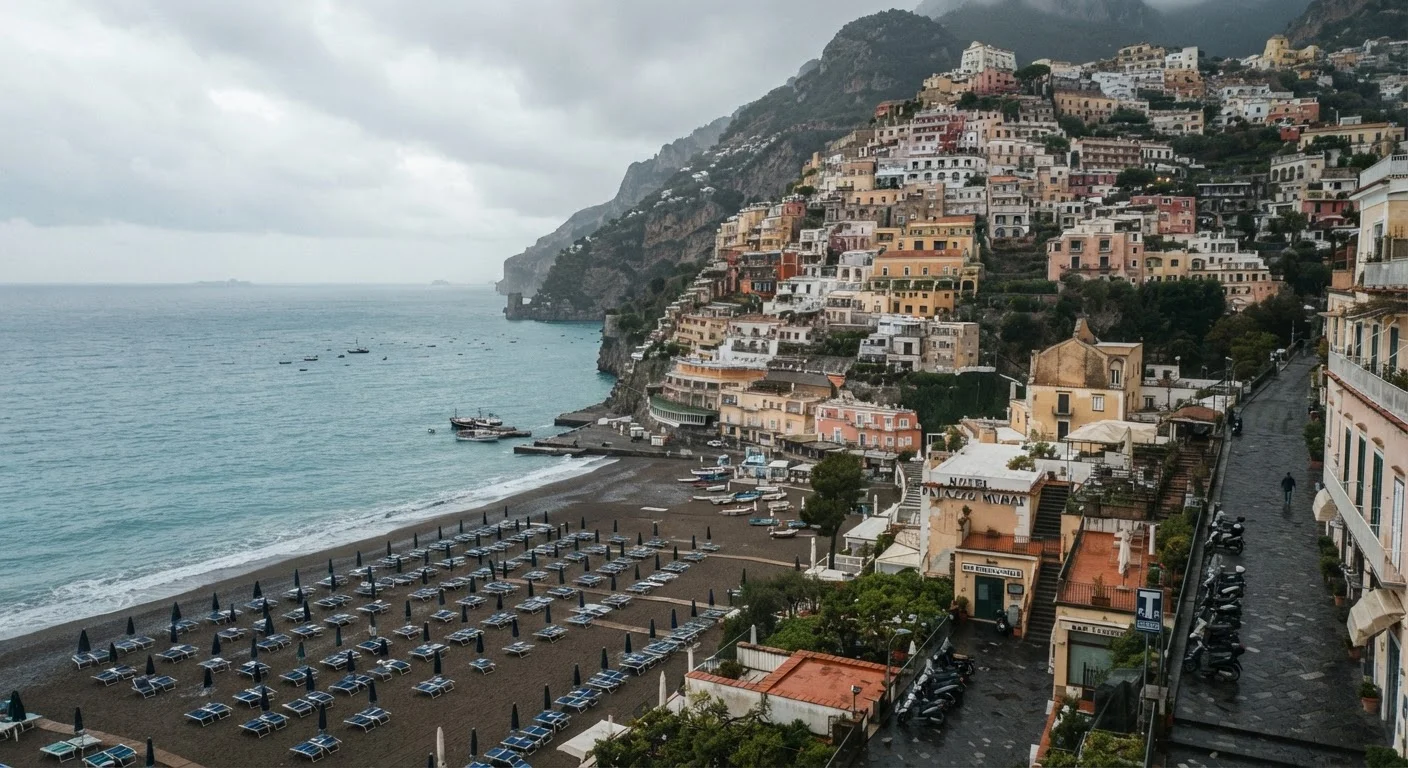
What tends to deteriorate: Smaller businesses often reduce hours or close entirely during low season. Seasonal tours stop running. Entire resort towns can feel skeletal. Transportation options may thin out - fewer direct flights, reduced bus or ferry schedules. And of course, the weather that drives visitors away in the first place is still there.
These aren't reasons to avoid off-season travel - they're reasons to go in with accurate expectations. Travelers who treat a low-season trip like a peak-season one, expecting everything open and fully staffed, tend to be the most disappointed. Small oversights during trip planning can unravel even well-intentioned itineraries.
How to Read a Destination's Seasonal Calendar
The most reliable method is to identify a destination's primary tourism driver - the thing most visitors come for - and work backward. If they come for beaches, the off-season is when beach conditions are poor. If they come for skiing, it's summer. If they come for a festival, it's every other month.
From there, cross-reference two additional factors:
- School calendars: US and European school holidays concentrate family travel in predictable windows. Summer, spring break, and major holidays drive domestic and international peaks simultaneously.
- Local events and national holidays: Some destinations have their own high-demand periods unrelated to tourist seasons - local festivals, religious observances, or national holidays that fill accommodation and raise prices regardless of whether foreigners know about them.
For safety-adjacent considerations - weather emergencies, political instability, or infrastructure disruptions that sometimes accompany low seasons - always verify current conditions through official government travel advisories. The US government's travel advisory levels are a practical starting point, supplemented by local tourism authority updates.
If you're open to timing flexibility, the window just before or after peak season - shoulder season - often represents the most practical balance. It's worth exploring how your travel budget stretches differently depending on when and where you go.
Verify What's Open Before You Go
Don't rely solely on a destination's general reputation when planning an off-season trip. Contact specific hotels, tour operators, or attractions directly - or check recent traveler reports - to confirm what's actually operating during your travel dates. Assumptions based on peak-season information are one of the most common sources of travel disappointment.